| Las cooperativas son un modelo de empresa social que permite lograr el desarrollo económico por medio de la práctica de la cooperación. |

Es muy importante despertar el poder que tiene las personas en su interior para que logren una vida sana, feliz, productiva y exitosa, aplicando la reingeniería humana.
El cooperativismo no es una meta, es el camino hacia el nuevo socialismo responsable del Siglo XXI, con un Neo-Cooperativismo, que fomente el dialogo social entre empresarios y trabajadores en una Economía Solidaria.
El cooperativista como actor social ha ido variando a lo largo de la historia su cultura de la solidaridad, hoy aparece junto al “hombre modular”, con su culto al dinero y a la inmediatez.
Vivimos en una sociedad democrática un tanto insatisfecha, porque existe una gran pobreza, que produce el hambre en el planeta, la búsqueda por el alimento tan desesperada en muchas partes del mundo es una atadura que impide la creatividad y satisfacer las necesidades básicas que nos roba el “tiempo humano” para educarnos, tenemos que salir del espacio animal en el que nos encontramos.
Porque no es suficiente, ya no basta trabajar bien y que las cooperativas grandes, pequeñas o medianas operen con buena rentabilidad, aumenten sus operaciones, remuneren bien a sus trabajadores y tengan armoniosas relaciones internas.
- Hits: 2323
 Maravilla morir y que lo recuerden a uno admiradores y detractores, que la gente discuta tus ideas, polemice tu obra, te convoquen a cielo o infiernos. Pues no otra situación se ha dado con la partida al cosmos de Mijaíl Serguéyevich Gorbachov, abogado y político ruso que ocupó los más altos cargos de la plataforma soviética y que sin embargo en el fondo fue socialdemócrata, partido disuelto en la URSS de 2007 y al que se consideraba, tras la revolución de Octubre, mediatizador de las ideas socialistas y por ende reaccionario. Gorby, cual lo apodaban, asciende al Politburó como secretario general del Partido Comunista en 1985 e intenta recomponer la atrasada economía del país.
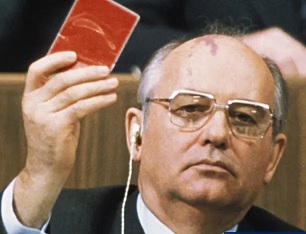 aceleraría la financiación del Estado, por lo que la Perestroika era para ciertos rusos como un “socialismo capitalista”, valga sólo por razones explicativas este imposible matrimonio, engendro político. Pero es que aquello acontecía en una nación terriblemente dividida entre quienes detestaban o respaldaban al socialismo (autoritario, excluyente, fracasado en el manejo de recursos humanos y materiales), a la cola de otras comunas del orbe (nórdicas, por ejemplo), horriblemente militarizado y con una cúpula dirigente que aspiraba parecerse a dios.
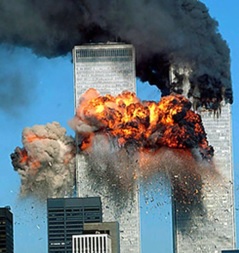 El ataque terrorista a las “torres gemelas” que destruyó varios edificios monumentales del World Trade Center el 11 de septiembre de 2001 en Nueva York cambió el curso de la historia cuando el gobierno de Estados Unidos aprobó una ley conocida como el “Patriot Act”, la cual viene aplicándose de forma cada vez más intrusiva desde entonces, pese a que se proclamó sólo como una medida provisional de emergencia.
 Toward the beginning of “
 La historia del Socialismo como ideología y como movimiento político se consolida en el pensamiento que promovió la Revolución Francesa y que actúa a través de ella hasta desembocar en el totalitarismo comunista (leninista) a principios del siglo XX y consolidarse en los sistemas totalitarios que nos han aquejado a lo largo de ese siglo hasta nuestros días.