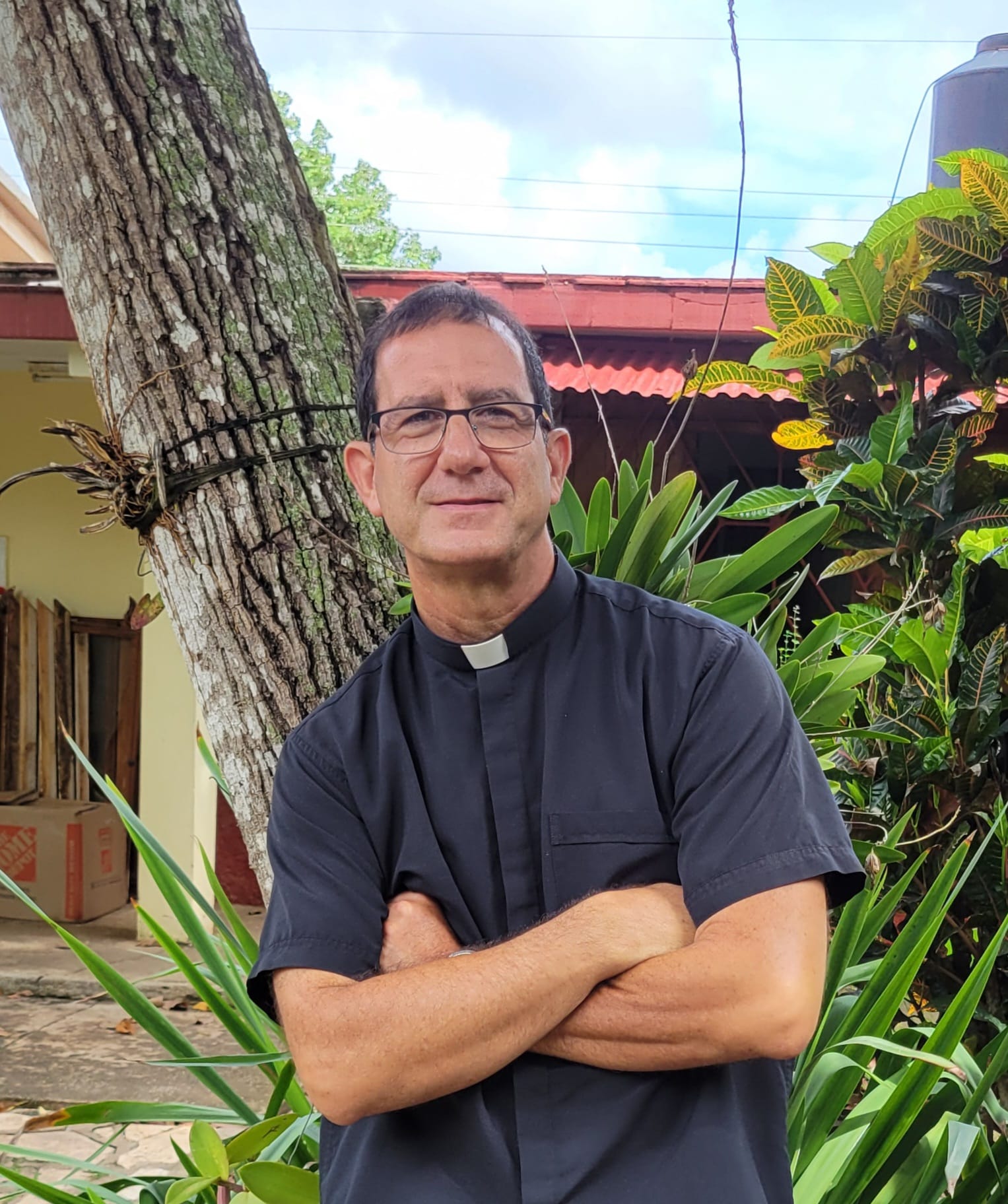
He estado pensando en cómo definir a los yanquis
Ha vuelto en el calendario el 11 de septiembre, el día que recordaremos siempre como el desenlace diabólico de un proceso de ideologización fanática. La masacre de las Torres Gemelas no tuvo su raíz en una nacionalidad o en una religión, sino en una ideología que divide al mundo entre buenos y malos, y donde los “malos” necesitan ser odiados, castigados, eliminados.
Más al sur de Nueva York, en una isla del Caribe, un niño de seis años regresó a su casa. Venía de la escuela, y le habían dejado una tarea: tenía que hacer una oración usando la palabra “yanqui”. El niño preguntó a sus padres qué oración debía hacer, pero sus padres le dijeron que la creara él mismo. Y el niño escribió:
“Los yanquis son humanos”.
No es difícil imaginar lo que vino después: maestros histéricos, citaciones a los padres, análisis “ideológico” del niño. Porque ahí estaba el problema: después de meses de adoctrinamiento escolar, ese niño no había adquirido una “ideología correcta”, es decir, no había aprendido a odiar, no había aprendido a condenar, y eso era, sencillamente, intolerable.
- Hits: 14
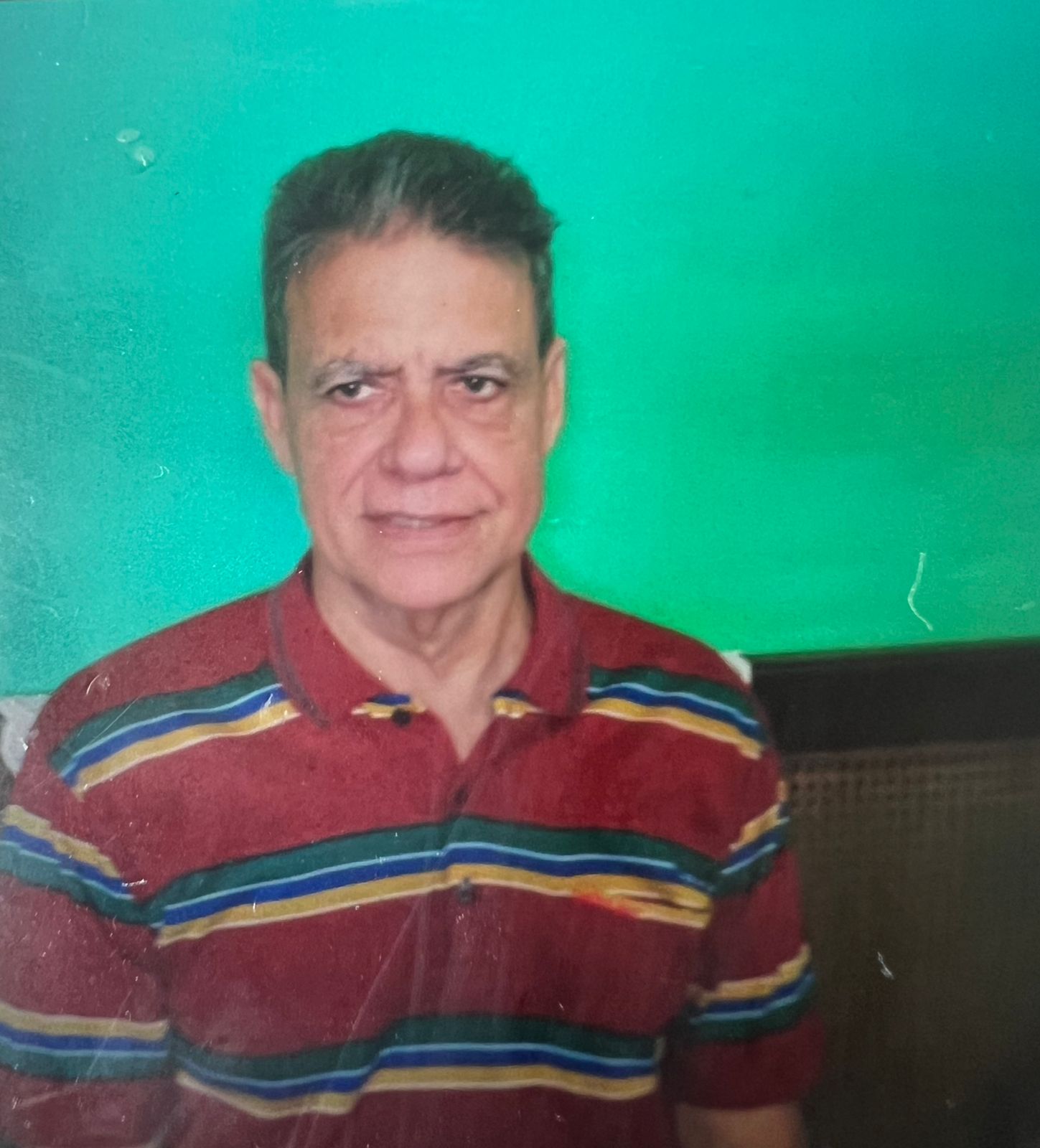
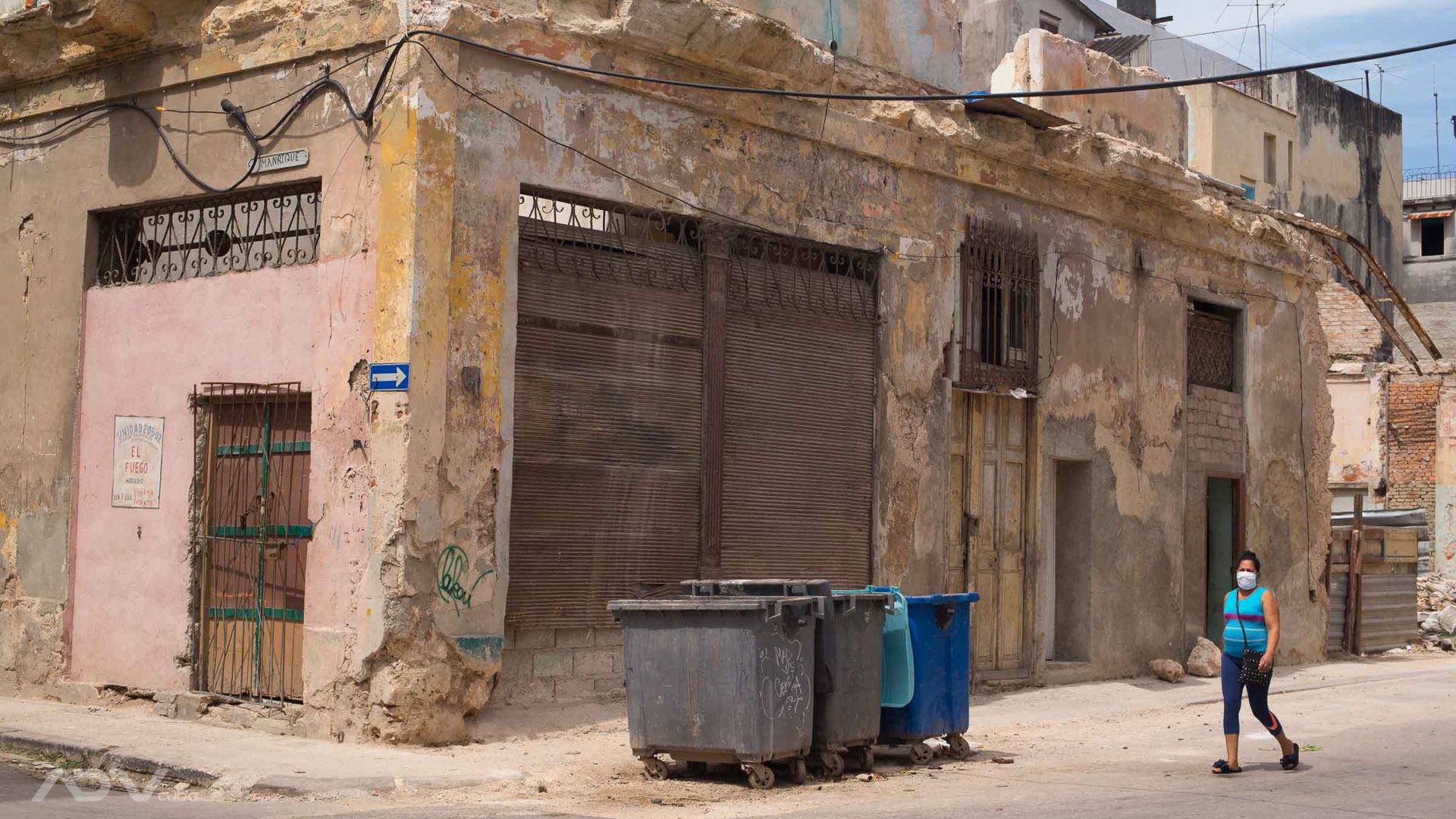 La Red de Observatorios Independientes de Cuba presentó este jueves en Miami el Informe Cuba 2025: Derechos humanos, crisis estructural y desprotección, una investigación de más de 200 páginas que reúne datos procedentes de encuestas, monitoreo ciudadano, análisis económicos, observación electoral y documentación de derechos humanos para ofrecer una radiografía de la situación de la isla durante el pasado año.
  La crisis cubana suele explicarse desde la óptica de las sanciones estadounidenses, presentadas por el castrismo como la causa principal de las dificultades económicas y sociales de la isla. Sin embargo, un análisis más profundo revela que, aunque dichas sanciones tienen impacto, Cuba cuenta con alternativas comerciales y financieras que podrían mitigar sus efectos.