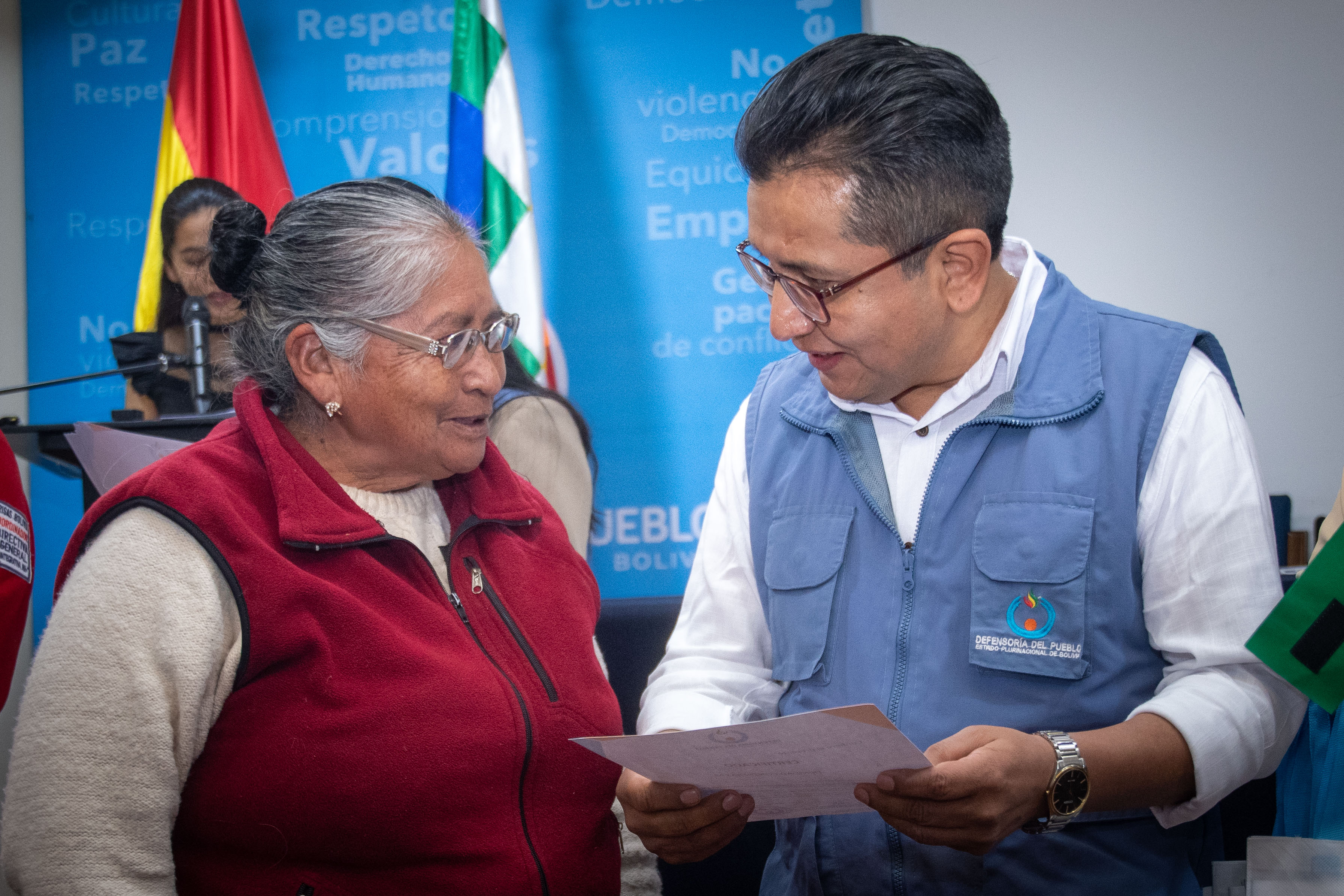
- The plaintiff argues state interference in the organization of a political debate.
- The text below consists of excerpts taken from the court proceedings.
 The application concerns a complaint under Article 10 by the applicant company –a private media broadcasting group– about a decision of the Central Electoral Commission not to accept the format of a political debate proposed by the applicant company during the election campaign for the national parliamentary elections in 2019.
The applicant company is a broadcasting and media business group which includes various private television channels, including Antena 3, which broadcasts news and entertainment programmes.
Ahead of the national parliamentary elections on 28 April 2019, the applicant company decided to organise an election debate between five candidates for the office of Prime Minister, which was to be held on 23 April 2019 and televised on Antena 3. Those five candidates represented Partido Popular (PP), Partido Socialista Obrero Español (PSOE), Unidas Podemos (UP), Ciudadanos and Vox.
Prior to the 2019 elections, four out of the five above-mentioned political parties – that is, all except Vox – had secured parliamentary representation in the previous general elections held in June 2016. On 22 April 2019 the public television channel TVE held debates in which only the candidates from PP, PSOE, UP and Ciudadanos participated.
Proceedings before the Central Electoral Commission (CEC)
- Hits: 67
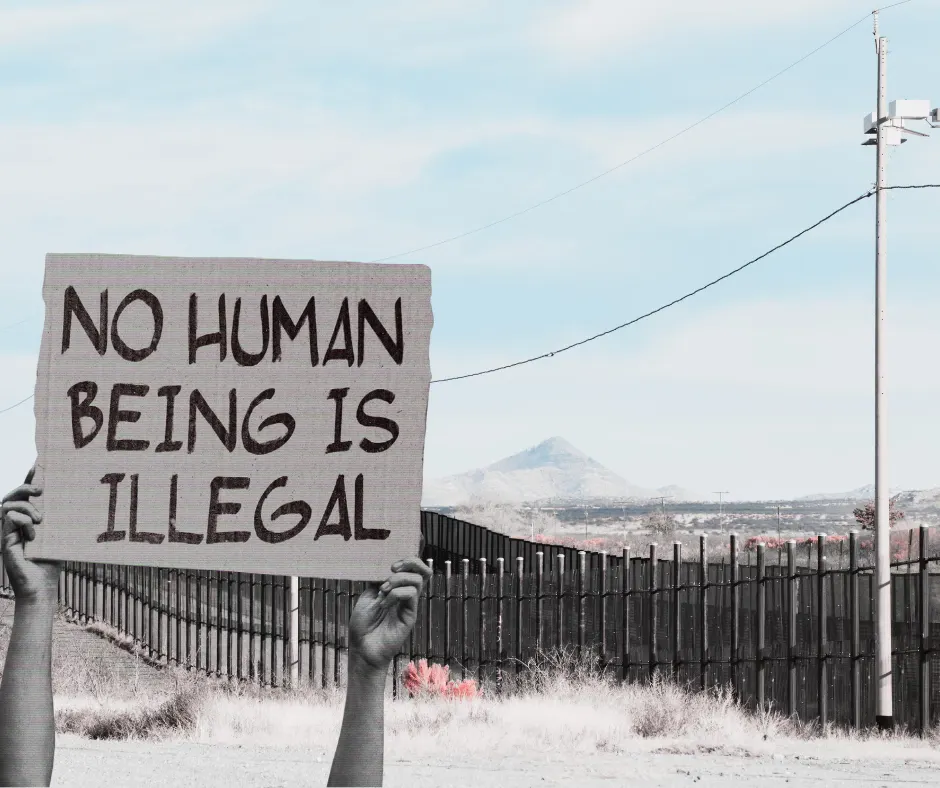 Criticism of the administration’s zero-tolerance policy, including from the U.S. Conference of Catholic bishops (USCCB), has focused on the moral implications of these actions and the challenges they present to genuine multilateral cooperation and the development of sustainable economic models. Pope Francis also weighed in with a letter addressed to U.S. bishops, buttressing their concerns.
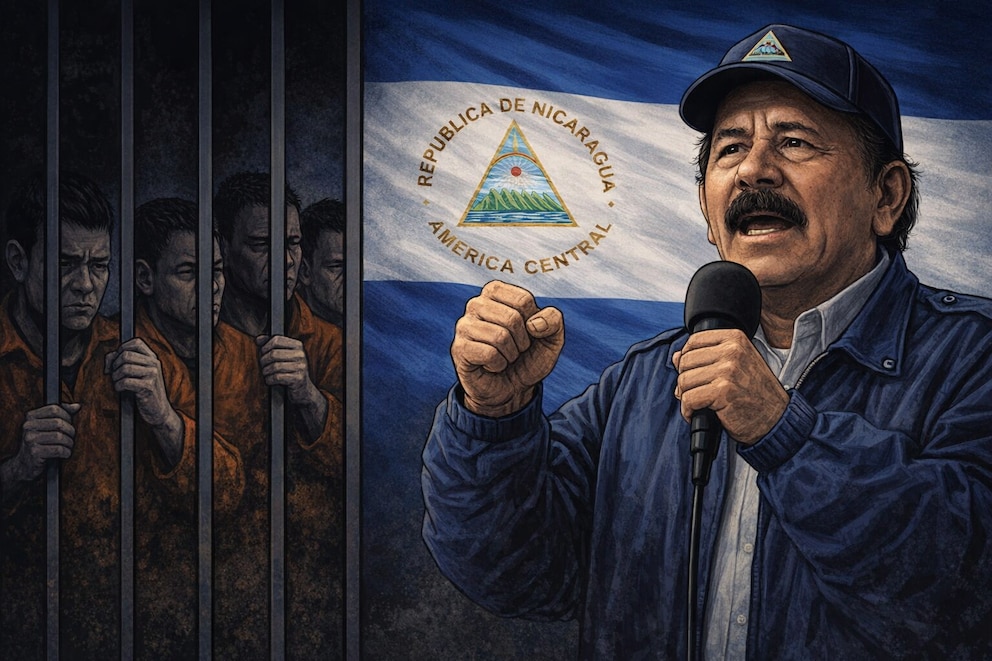
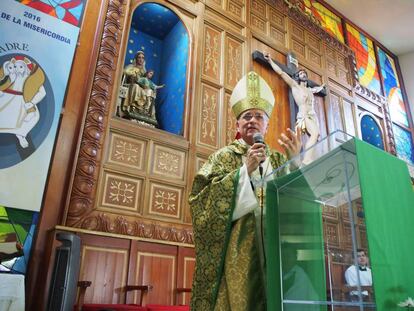 críticas del régimen nicaragüense, reclamó procesos ante tribunales independientes, con garantías de defensa y respeto por el debido proceso.