I Have Been Thinking About the Options We Have Left – Part I
Let us begin with an undeniable fact: Cuba needs change, and a radical change. We cannot continue like this.
By force of circumstances, a situation similar to that of a country at war has become normalized in Cuba. The human body can endure such conditions temporarily, but not forever, because eventually it breaks down—both physically and spiritually.
It cannot be considered normal to live with only two hours of electricity a day, watching the little food that can be obtained spoil, and having to get up in the middle of the night, when “the power comes on,” in order to wash clothes, cook, and manage daily life, all while living with the constant fear that there will not be enough time.
It cannot be considered normal to have no running water, no telephone service, not even minimal Internet coverage, and to live cut off from communication, even within one’s own town.
It cannot be considered normal to be unable to get a good night’s sleep because of the heat and mosquitoes, and to live in a state of chronic exhaustion caused both by lack of rest and by the constant stress of an unpredictable life.
It cannot be considered normal not to have enough money for the basics because of the enormous gap between workers’ wages and the cost of living, because of the inability to obtain cash from the banks, and because of the injustice of being paid in Cuban pesos while being charged prices comparable to those of the dollar and the developed world.
- Hits: 109
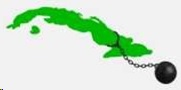
 Prisoners Defenders publica su informe mensual de mayo de 2026 sobre presos políticos en Cuba, con un nuevo récord de 1.281 presos políticos y de conciencia. Durante el mes se incorporaron 28 nuevos casos y se registraron solo 7 bajas, entre ellas una muerte bajo custodia estatal, dos destierros forzados, una excarcelación efectiva y tres cumplimientos íntegros de condena. El informe completo muestra que el régimen cubano continúa respondiendo al deterioro social, político, económico y humanitario del país con más detenciones, encarcelamientos y castigos ejemplarizantes.

 En medio de apagones, escasez y creciente malestar social, el "gobierno" cubano anunció recientemente un paquete de reformas económicas que marcan un giro en su estrategia de supervivencia. Las medidas incluyen mayor autonomía para las empresas estatales, apertura al sector privado y facilidades para la inversión extranjera. Aunque presentadas como respuesta a la crisis, estas reformas abren espacios que históricamente el castrismo ha temido: autonomía fuera del control absoluto del Partido Comunista.
 *De la abundancia del corazón habla la boca (Lc 6, 45)*