| El Acuerdo de Liberación es un marco integral de transición desarrollado por líderes de la sociedad civil cubana y figuras democráticas de la oposición. Establece una hoja de ruta para el camino de Cuba desde la dictadura hacia la democracia, abarcando la reconstrucción política, económica y social, con el compromiso de celebrar elecciones libres, justas y multipartidistas como etapa final. |
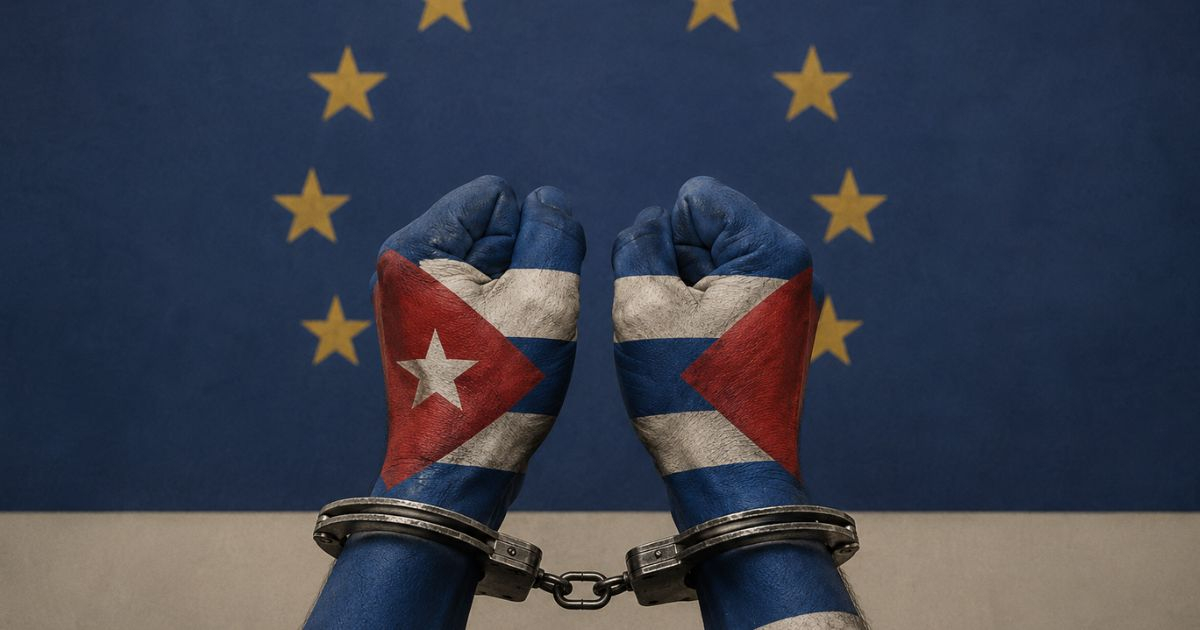
- El Parlamento Europeo debate el fin del Acuerdo de Diálogo Político y Cooperación entre la UE y Cuba, tras las visitas de representantes de Pasos de Cambio.
- El expresidente cubano Raúl Castro ha sido imputado legalmente en los Estados Unidos. El Departamento de Justicia de EE. UU. (DOJ) hizo públicos los cargos penales contra el exmandatario de 94 años en relación con el derribo, en 1996, de dos avionetas humanitarias operadas por el grupo de exiliados Hermanos al Rescate, suceso que provocó la muerte de cuatro personas, entre ellas tres ciudadanos americanos.
Bruselas/Miami, Mayo 20 (DPnet).– Este miércoles 20 de mayo se conmemora la fecha de la independencia de Cuba en 1902. Es notable que esta fecha coincida con dos hechos sin precedentes en los 67 años de dictadora cubana que están teniendo lugar simultáneamente en Europa y en Estados Unidos.
Al tiempo que el Parlamento Europeo denuncia el Political Dialogue and Cooperation Agreement (Acueerdo de Diálogo Político y Cooperación) que estaba en vigor desde hace años, en Estados Unidos se ha dado curso a un procedimiento legal que establece cargos contra el hermano de Fidel Castro, quien también figuró como Presidente de Cuba, Raúl Castro, quien actualmente no ostenta cargo nominal alguno en la estructura del régimen, pero sigue siendo la máxima autoridad dentro de la cúpula del poder.
Desde Bruselas han llegado también noticias que señalan que la Eurocámara celebró el 19 de mayo de 2026 un debate plenario en el que eurodiputados de distintos grupos políticos reiteraron su exigencia de poner fin al Acuerdo de Diálogo Político y Cooperación (ADPC) entre la Unión Europea y el régimen cubano.
- Hits: 345
 El campesino como raíz de la nación
 I have been thinking about the long road to freedom.