|
Un engendro se experimenta en Cuba. En esta Isla, convertida en un laboratorio con seres humanos, se continúa intentando construir un “Frankenstein” con la menor cantidad de mercado, propiedad privada y capital, combinado con la menor cantidad de libertades y con el mayor control e intervención del Estado. Es lo peor del capitalismo con lo peor del socialismo. Es un engendro que ha producido una agonía sin antecedentes en Cuba. Sin educar para los cambios. Sin informar con transparencia los cambios. Poniendo nombres como reordenamiento o lineamientos, que no aclaran nada de lo que ocurre en la realidad. Nominar no es solución. Lo que tiene que cambiar no son los nombres sino la realidad, cambiar las estructuras, los modelos, los sistemas, la forma de vivir, la forma de trabajar, la forma de producir, la forma de propiedad, la forma de financiar. |
Hemos caído en lo peor de un modelo de capitalismo primitivo y salvaje para el pueblo: con pobreza e inflación, escasez de medicamentos y alimentos, de vivienda y transporte, del agua y la luz, con crisis de familia, colapso de valores, degeneración de la educación, ausencia de espiritualidad, incertidumbre, desarraigo y éxodo masivo e imparable… entre otras realidades propias de una etapa terminal.
Eso ha sido yuxtapuesto con lo peor del llamado socialismo, que pudiera llamarse estatismo o centralismo estatal regido por un solo partido y que también se conoce como totalitarismo por controlar la totalidad de las estructuras y de la vida de la sociedad. Con monopolio estatal o de privados seleccionados por su fidelidad al régimen. Con prohibición de acumular propiedades y capital. Con la hegemonía de la Empresa Estatal Socialista, consagrada por la Constitución de 2019. Sin sindicatos independientes, sin libertades de asociación, reunión, expresión, etc. Con prioridades de inversiones decididas por un pequeño grupo sin participación de la sociedad civil, por ejemplo: los que deciden que los paupérrimos recursos que quedan sean utilizados en construir hoteles y servicios para un turismo a pesar que en todo el año 2022 solo se ocuparon el 15.6 % de las habitaciones disponibles, mientras que Cancún en México y República Dominicana tuvieron una ocupación en 2022 del 75 % de sus habitaciones, según www.reportur.com.
- Hits: 2518
 Esas tendencias políticas difusas y engañosas que encontramos en el crisol de lo que llamamos "izquierda", sin preocuparnos por reconocer exactamente de qué se trata, se combinan en una amalgama de doctrinas que surgen del marxismo, el leninismo, el estalinismo, el maoísmo, el castrismo, el fabianismo, el fascismo y otros "ismos" semejantes, formulando ideas que se disfrazan de social demócratas para desviar la atención de sus verdaderos propósitos y confundir a los ingenuos aparentando ser sus promotores los auténticos adalides de un socialismo democrático que, por ser "democrático" merece el respeto de todos.
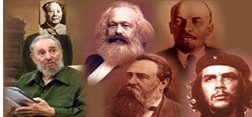 estrategias y acciones conducentes a una política destinada a revertir el progreso económico masivo resultante del capitalismo, que creó una clase media enorme y vibrante e innumerables avances tecnológicos y científicos, así como también un expansivo acceso a la vida cultural, todo lo cual ha mejorado exponencialmente la condición humana. En general, este movimiento se basa en teorías y abstracciones que, cuando se aplican por la fuerza en el mundo real, particularmente en una sociedad ampliamente exitosa y avanzada, pero también en el tercer mundo, tienen un resultado que es desastroso para la población. Además, la experiencia demuestra que los que entre ellos son famosos, ricos y/o poderosos, continuarán disfrutando –desde diversos escalafones de poder– de un estilo de vida creado por el capitalismo, después de haberlo desarticulado, pero conservando ellos sus privilegios e influencia.
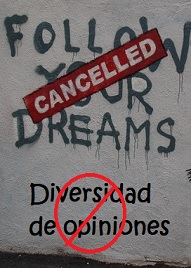 Para muchos seudo intelectuales, sesgados académicos y algunos poderosos billonarios que empujan y subsidian con sus ideas y su dinero este movimiento amorfo pero generalizado, el objetivo es articular innumerables submovimientos destinados a derribar el sistema capitalista en democracia, ya que rechazan la realidad económica tradicional y abrazan una política radical de menor competencia o, peor aún, de la eliminación del sistema competitivo, así como de redistribución de la riqueza nacional a gran escala internacional, y de reducción de ingresos y distribución de la riqueza que los que ocupen el poder consideren "excesivos", aunque, como se ha visto repetidamente, sin que los afecte a ellos personalmente. Promueven así políticas que establezcan un "ingreso máximo" o "riqueza máxima", alentando la envidia de los menos exitosos, abriendo fronteras y "reduciendo la desigualdad" entre países ricos y pobres. Es decir, una política destinada a empobrecer a los países ricos para beneficiar a los pobres. En otras palabras, que los países pobres aspiren a que les regalen el pescado sin hacer esfuerzos adecuados para aprender a pescar.
 La Asamblea Nacional del Poder Popular (ANPP) en la sesión constitutiva de la X Legislatura, el pasado 19 de abril, designó a Miguel Díaz-Canel como presidente de Cuba por segunda vez y ratificó a la casi totalidad de los principales funcionarios del Estado y del Gobierno en sus cargos.
 Es importante recordar que en febrero de 2020, cuando estallaba el pánico inducido por el fantasma de la pandemia y se le exigía al gobierno de Estados Unidos un control absoluto de la economía y la vida social del país, el
 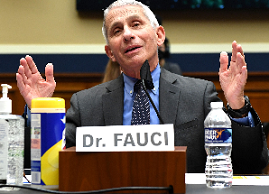 neyorkino publicó un reportaje sobre cómo el artículo fue suprimido de todos los demás medios de información, censurado como "desinformación". Las grandes empresas tecnológicas y muchos expertos encabezados por el Dr. Anthony Fauci, hicieron callar toda voz disidente y suprimieron cualquier idea de que China pudiera haber desarrollado el virus en el laboratorio biológico de nivel 4 ubicado en Wuhan, dirigido por el Ministerio de Defensa bajo el control del Partido Comunista de China.
 No obstante, Mosher tuvo la osadía de destapar públicamente, entre otras barbaridades, la terrible política china de abortos forzados y el Gobierno chino lo expulsó sumariamente de su país. La Universidad de Stanford, temerosa de ofender a sus socios comunistas, también lo expulsó tachando su estudio de pura "desinformación".
 A cinco años de su designación como primer secretario del Partido Comunista, el 19 de abril de 2018, el actual gobernante de Cuba