
| De esto ni se habla en los medios de comunicación, tanto de EEUU como del resto del mundo. ¿Por qué la gran prensa prácticamente ha ignorado durante estos últimos meses una tan importante cadena de fraudes y corrupción administrativa en el Estado de Minnesota? ¿Se debe a que dan prioridad a lealtades políticas sobre la ética periodística de transparencia en la información? |
■ [ Another perspective here → in English ]
La gran prensa, que supuestamente son los adalides de la información, parece haber olvidado el abrumador escándalo provocado por los múltiples fraudes que se han estado cometiendo en el Estado de Minnesota. Es notable cómo desviaron la atención enfocando exclusivamente las violentas manifestaciones contra las operaciones de ICE en ese Estado, destacando a lo largo de varias semanas dos trágicos sucesos en que dos activistas perdieron la vida en enfrentamientos con las fuerzas del orden.
Cabe preguntarse por qué han olvidado las acusaciones de un encubrimiento sistémico relacionado con fraudes masivos en programas de servicios sociales de Minnesota, que  según fiscales federales podrían ascender a ¡más de $9,000 millones de dólares! Estos fraudes son, además, un delito grave: los hechos revelados por una auditoría de la Oficina del Auditor Legislativo (OLA), publicada en enero de 2026, concluyó que empleados del Departamento de Servicios Humanos (DHS) fabricaron o antedataron documentos ¡durante años! para evadir el escrutinio y ocultar la ilegal gestión de fondos.
Uno de los mayores esquemas de fraude fue un programa donde se robaron aproximadamente $250 millones destinados a alimentar a niños. Además, investigaciones recientes habían señalado fraudes que suman cientos de millones en centros de cuidado diurno, servicios de autismo y programas de estabilización de vivienda.
- Hits: 391

 En medio de la grave confusión que abraza al mundo en estos momentos. Una confusión en la cual ya nada es cierto, pues, todo es relativo, una perdida del cuadrante en el que la gente enfrenta algo similar a la filosofía hermética donde se afirma, como es adentro es afuera, como es oscuro es lleno de luz, como es arriba es abajo, y nadie encuentra respuestas llevando al mundo a una frustración global. Hace unos días sucedió algo que, por primera vez en mucho tiempo, ha proyectado luz para llenar esos negros espacios de nuestra moderna Torre de Babel.
  El estudio ofrece una radiografía detallada de una transformación profunda en la estructura social española y subraya que la inmigración no es un fenómeno marginal, sino un factor estructural clave del presente y del futuro del país. En términos absolutos, la población de origen inmigrado —que incluye tanto a las personas nacidas en el extranjero como a la población extranjera nacida en España— asciende ya a 9.963.353 personas, lo que representa el 20,28 % de la población total.

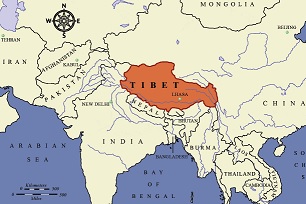 increase in Chinese settlers in strategic frontier rural areas of Tibet. China proactively built over 600 “well-off border villages” (bianjing xiaokang cun) as part of the “Plan for the Construction of Well-off Villages in the Border Areas of the Tibet Autonomous Region” (2017–2020). Additionally, starting in 2017, China has issued 89 standardized place names in the Indian state of Arunachal Pradesh, asserting authority over an area that has never been administered by China.
 En el mes de Julio de aquel fatídico año 1976, a mis escasos 30 años se me nombraba Director General del Banco Ganadero y Agrícola en mi estado de Sonora. Un par de meses antes había asistido a la convención de banqueros en Acapulco en la cual, el director del Banco de México, dirigía un alentador mensaje de la salud económica del país y regresaba al DF confundido. Ahí tuve una reunión con el gran economista que fue Alonso Ibáñez, a quien le comentaba el mensaje de Fernández Hurtado. Alonso me sorprendió al responder, son mentiras, ocultan la realidad del país y te aseguro tenemos en puerta una devaluación.