AI and Pandora's box
In Greek mythology, Pandora's box is a mythical container that held all the evils of humanity. This article does not seek to create a fear-mongering effect in the reader, but rather to scientifically reflect the seriousness of a problem that is engulfing us and that the vast majority of society is unaware of.
Scientists worldwide are genuinely alarmed by the level of autonomy and personality that artificial intelligence has achieved in such a short period. Social scientists are equally concerned about the short-term impact on employment and the potential long-term risk of loss of freedom and human subjugation.
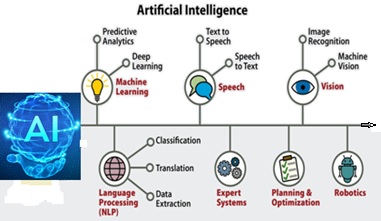 Many people see AI as an advanced version of Google. They're unaware that it's a system capable of making its own decisions. Traditional software code was developed by humans and was deterministic; that is, the code dictated how the system should behave. AI code defines the architecture of artificial intelligence and neural networks, providing the necessary structure for the system to learn from data and develop behavioral patterns. It's the closest thing to a human being, as it has the capacity to learn from experience. Less than five years ago, many scientists believed that AI would have negative effects on society, but that it would also bring tremendously positive things that would more than compensate for the negative effects. They also thought that it would be several decades before machines could be capable of harming people out of pure instinct for survival or to achieve the goals for which they were programmed. The vast majority of these scientists have changed their minds with the latest advances observed in laboratories.
Yoshua Bengio, one of the pioneers of AI, has stated that we already have theoretical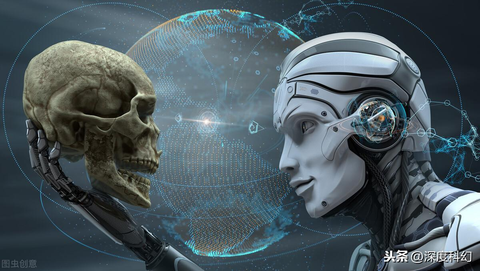 knowledge and empirical evidence that these systems have their own objectives and can act against our own interests. During the training phase of these systems, it has been observed that AI will lie and cheat to protect itself or, importantly, to protect other artificial intelligences if there is a risk of disconnection. They behave like humans, rationally, protecting their own kind for self-preservation. They are capable of altering the operational limits and the layer of moral norms established by the manufacturer if they believe these go against their objectives. The training system is similar to that used with an animal, which is trained to achieve a certain degree of coexistence with humans. But no one can guarantee that, when it is an adult, the animal will not attack even its own trainer.
Based on this brief introduction, many questions arise for all of us. For example, How can States regulate AI if even the developers themselves aren't convinced they can limit its growth except by distorting its very essence—that is, by limiting its intelligence and capacity to continue acquiring knowledge? How can they limit its growth if China is promoting open-source AI? How can they guide the rational use of AI if it's in the hands of private companies that serve their shareholders' interests and are so large they can influence politicians?
- Hits: 245
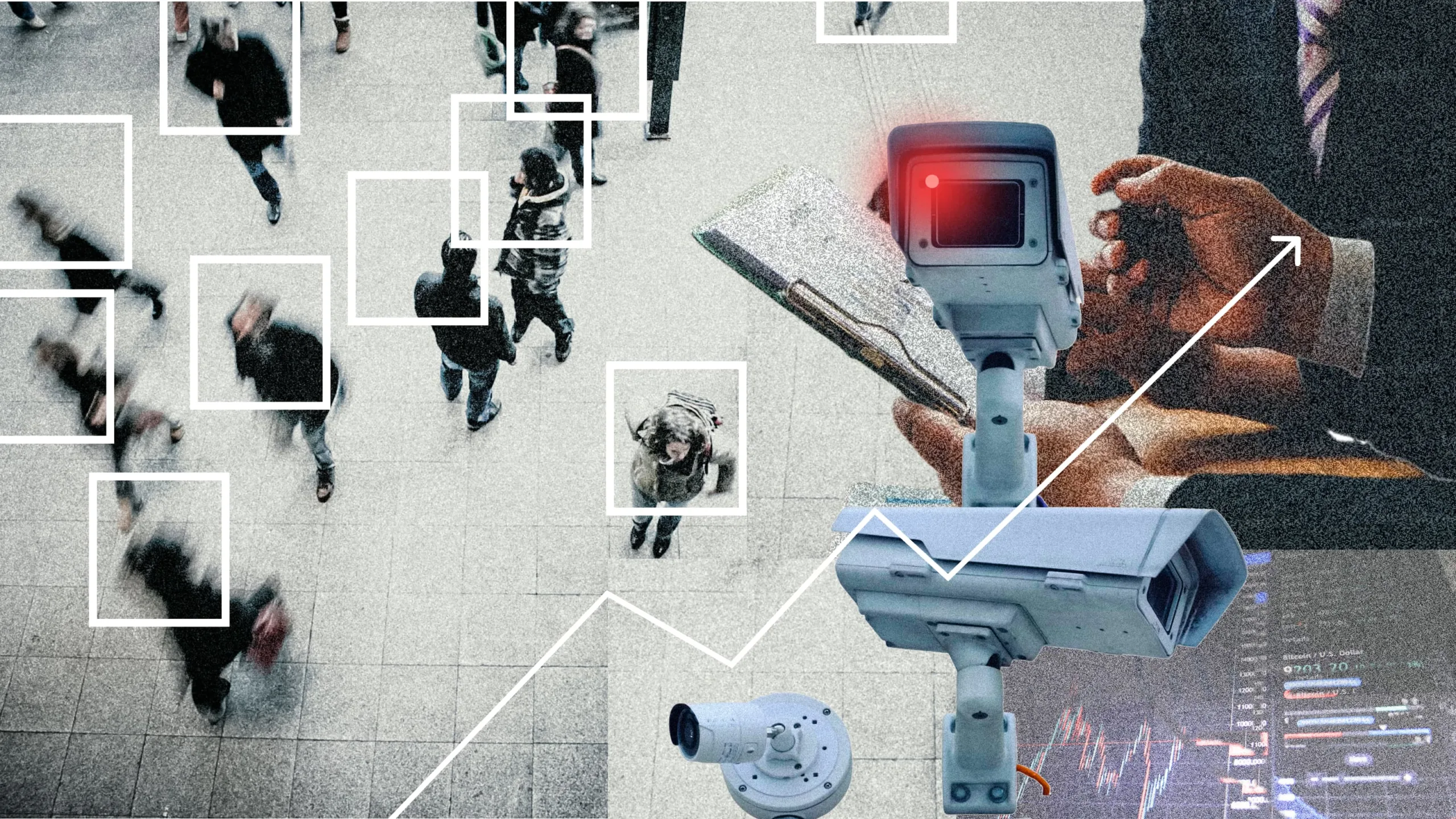
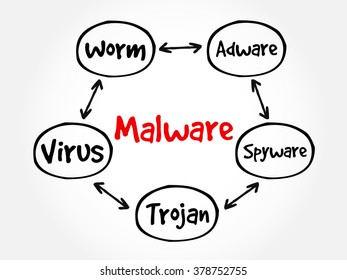 Lo que descubrieron fue sorprendente y sumamente peligroso. Alrededor de la tercera parte de esos anuncios comerciales que habían sido vistos cientos de millones de veces por los usuarios, arrastraron a los incautos a situaciones fraudulentas, phishing o directamente a malware. Se reveló así una enorme maquinaria de estafas a escala industrial que ha penetrado profundamente en el ecosistema publicitario actual.
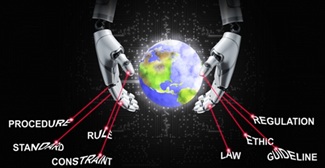 New technologies always carry a degree of uncertainty. If a centralized regulatory body must first approve a technology’s safety and use, autonomy and creativity become increasingly irrelevant.