El disidente cubano, detenido el 1 de octubre, ha sido acusado por el régimen cubano de delitos que se sustentarían sobre supuestas pruebas falsas.
«Lo que está sucediendo con Ferrer vulnera el acuerdo de la UE con Cuba»
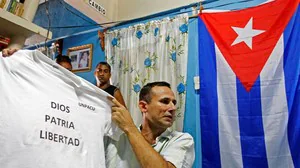 Nov. 21.– «Buenas noticias: mi propuesta de iniciar una resolución de urgencia sobre Cuba ha sido aprobada. El Parlamento Europeo debatirá y votará el próximo jueves 28/11 una resolución sobre el caso de José Daniel Ferrer y la situación de los DDHH en Cuba».
Con este tuit la Vicepresidenta del Parlamento Europeo encargada para América Latina, Dita Charanzová, anunciaba este jueves que había prosperado la iniciativa de su grupo, Renew Europe, de llevar a la sesión Plenaria ordinaria de la próxima semana una  resolución de urgencia sobre el caso del disidente cubano, detenido el pasado 1 de octubre, que durante semanas no había podido ser visitado su familia, que tras la presión internacional tuvo finamente acceso a él el pasado 7 de noviembre. Una visita en la que Ferrer mostró a su esposa y tres de sus hijos las marcas que sobre su cuerpo han dejado las torturas y palizas a las que le está sometiendo el régimen cubano.
Hasta el momento, el Parlamento Europeo no había abordado de manera oficial este asunto (al contrario que otras organizaciones como la OEA o la ONU), más allá de dos cartas - la última remitida esta semana-, enviadas por eurodiputados de distintos grupos -Renew Europe, ECR, PPE, e incluso del grupo de la Alianza Progresista de Socialistas y Demócratas en el Parlamento Europeo- pidiendo a la embajadora de Cuba en Bruselas, Norma Goicochea Estenoz, que ante la inexistencia de cargos -en ese momento- contra José Daniel Ferrer se le pusiera en libertad, se le facilitara un abogado, acceso a toda la documentación sobre su caso, además de asistencia médica y que pudiera verle su familia (no lo ha hecho desde el 7 de noviembre).
De vital importancia
La hermana de Ferrer, Ana Belkis Ferrer, mostraba a Charanzová su agradecimiento ...
[ Full text ]
- Hits: 8247

 organismo oficial de Naciones Unidas que tenga efectos jurídico-institucionales y sus decisiones son simples recomendaciones.
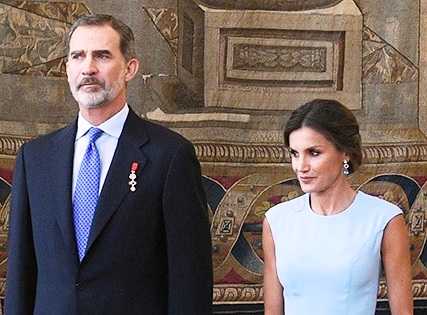 The royals will visit San Juan Hill in Santiago de Cuba to honor the Spaniards fallen in the Spanish-American War of 1898. However, missing in their official program is any act of remembrance for the 71 Cubans shot there on January 12, 1959 by direct order of Raúl Castro, Cuba’s current “Maximum Leader.”
 asesinatos y persecución de población civil, entre los años 2002 y 2003 en el Congo.