Eight years of civil war. After half a million deaths, with 11.6 million people forced from home, what is daily life like inside Syria now?
 February 28.– For most Syrian families, the nightmare of constant bombing and gunfire has ceased. The government has largely retaken control, except for a last opposition stronghold around Idlib. But those who survived the shelling and snipers must now survive an uncertain peace.
With unexploded ordinance still littering Aleppo, only the main streets are safe, especially in the east. The UN deems the situation too risky for people to go home. Yet Caritas is witnessing an upsurge in returnees to Aleppo, with 2.25 million people in dire need living inside the gutted buildings.
- Hits: 7231

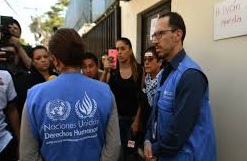 del país a la Comisión Internacional Contra la Impunidad (CICIG), un órgano de la ONU que se encarga de investigar los casos de corrupción. Tras ocho horas de deliberaciones, el Pleno de Magistrados de la CC aprobó por mayoría y con el único voto disidente de la Presidenta, Dina Ochoa, "dejar en suspenso" la decisión de Morales de dar por terminado de manera "anticipada y unilateral" el acuerdo entre la ONU y el Gobierno de Guatemala relativo al establecimiento de la CICIG.
 represión en Cuba desde que Miguel Díaz-Canel asumió la presidencia y critica al presidente del Gobierno español, Pedro Sánchez, por no reunirse con la oposición en su reciente viaje a la isla.