Sabemos que el escenario mundial está dominado por la sociedad del conocimiento, y la educación como factor fundamental en el desarrollo de los pueblos, se ha convertido en uno de los elementos más importantes que incide en sus procesos productivos.
|
Señor y padre de la humanidad, que creaste a todos los seres humanos con la misma dignidad, infunde en nuestros corazones un espíritu fraternal. Inspíranos un sueño de reencuentro, de diálogo, de justicia y de paz. Papa Francisco |
Muchas o pocas personas, difícil saberlo a ciencia cierta, podrán despedirse de este mundo en paz o satisfecho con lo vivido; con su conciencia tranquila y con su espíritu sereno, conscientes de no haber provocado o infligido daño alguno a otras personas, con mala intención.
En mis preocupantes reflexiones, con seis años alejado de mi Maracaibo querido, llegó hasta mis manos, no sé tampoco si fue por casualidad o provocado por la ley de la causalidad, la magnífica poesía de ese excelente pensador y escritor Amado Nervo que tituló “En paz”, así como el oportuno pensamiento del Papa Francisco que escribí como introducción a este artículo, ambos se complementan.
- Hits: 1381
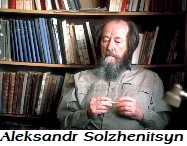 canibalísticos que traería consigo. Daniel J. Mahoney, examina “la enfermedad del alma” que ha provocado ese canibalismo. En su ensayo, "Encontrando el espíritu de la negación revolucionaria” (2022) el escritor y profesor emérito estadounidense, toma como base, una de las novelas más exitosas de la literatura rusa, para encontrar una respuesta lógica a este problema que amenaza con destruir la cultura occidental.
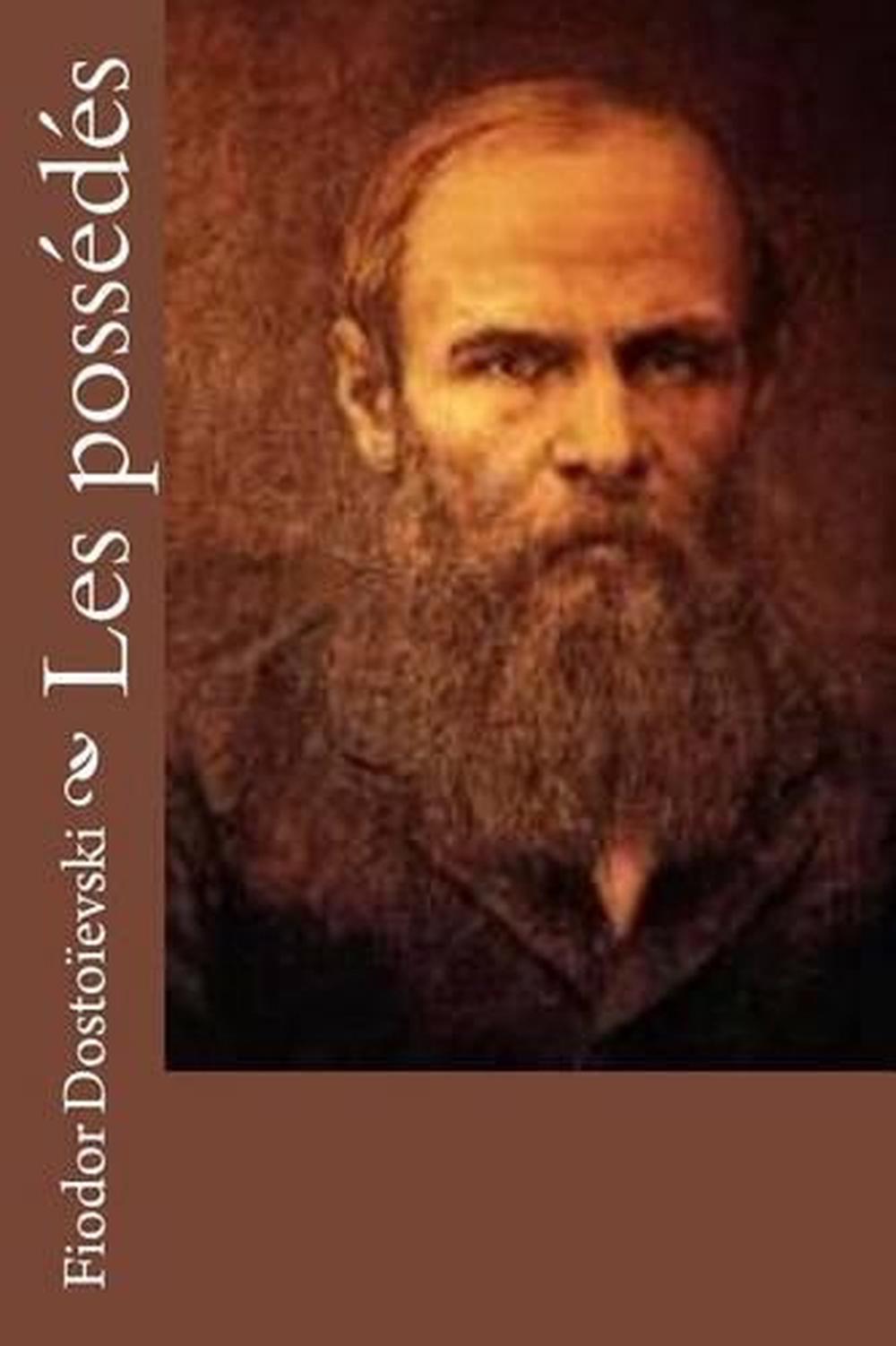 El título de la traducción al inglés de Constance Garnett en 1916, The Possessed o Los Poseídos, resultó controversial pues se argumentó que Bésy (Demonios en ruso) se refiere a “posesores” (activos) más que a “poseídos” (pasivos). Los demonios son individuos que actúan de forma criminal o inmoral mientras que Los poseídos asumen las ideas y actos de quienes influyen en ellos. Igual los convierte en cómplices de la maldad.