 Thirty-six (36) years old political prisoner Luis Barrios Díaz died on November 19th, 2023. The father of a six-year-old was serving a 6-year prison sentence at a Havana prison for peacefully participating in demonstrations on July 11th, 2021. Last August, he had been transferred ill to a hospital that had no antibiotics for his infection. The doctors recommended his admission, but prison authorities refused, alleging from lack of fuel for his surveillance. With no medical care, his condition worsened, and he had trouble breathing. Finally transferred to the hospital, over a liter of fluid was taken from his lungs in an emergency procedure, but he died the following day. The doctor told the family that he had not been treated on time. Deaths in prison from denial of medical care have been par for the course of Cuba’s penitentiary since the early days of the revolution in 1959. Cuba Archive has documented 345 individual cases over six decades, each a testimony of human suffering and preventable loss of life. Many more cases, likely thousands, have not been documented, as monitoring the prisons is not allowed. and gathering the information is very difficult.

These photos show eight more victims of the practice of denying medical care to Cuban political prisoners: Rosario López Gómez, 1964; René Amoedo Bueno, 1968; Ramón Quesada González, 1970; César Páez Sánchez, 1977; Iyamil García Benítez, 2013; Hamell Mas Hernández, 2017; Raidel García Otero, 2018; Ariel Valdés García, 2021.
The Cuban regime consistently mocks international rules. The horrid conditions of Cuba’s dungeons are well known, yet the Cuban government has ratified many international human rights agreements, including the Convention against Torture and Other Cruel, Inhuman or Degrading Treatment or Punishment. It even guarantees its compliance with the United Nations Standard Minimum Rules for the Treatment of Prisoners. The failure of a totalitarian Communist regime to not live up to its commitments is worrisome but unsurprising. What’s peculiarly troubling is the failure of the world’s democracies --and the international community in general-- to hold it to account and reward it repeatedly with legitimacy, engagement, and support.
British royals drink mojitos as Cuba burns
- Hits: 2071


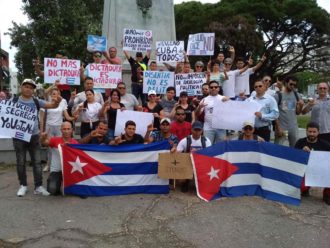 El Observatorio Cubano de Conflictos (OCC) contabilizó 619 protestas públicas en Cuba en el mes de octubre, de las que más de 100 fueron manifestaciones de descontento por la inseguridad alimentaria que vive la población de la isla.
 on the promotion and protection of human rights and fundamental freedoms,
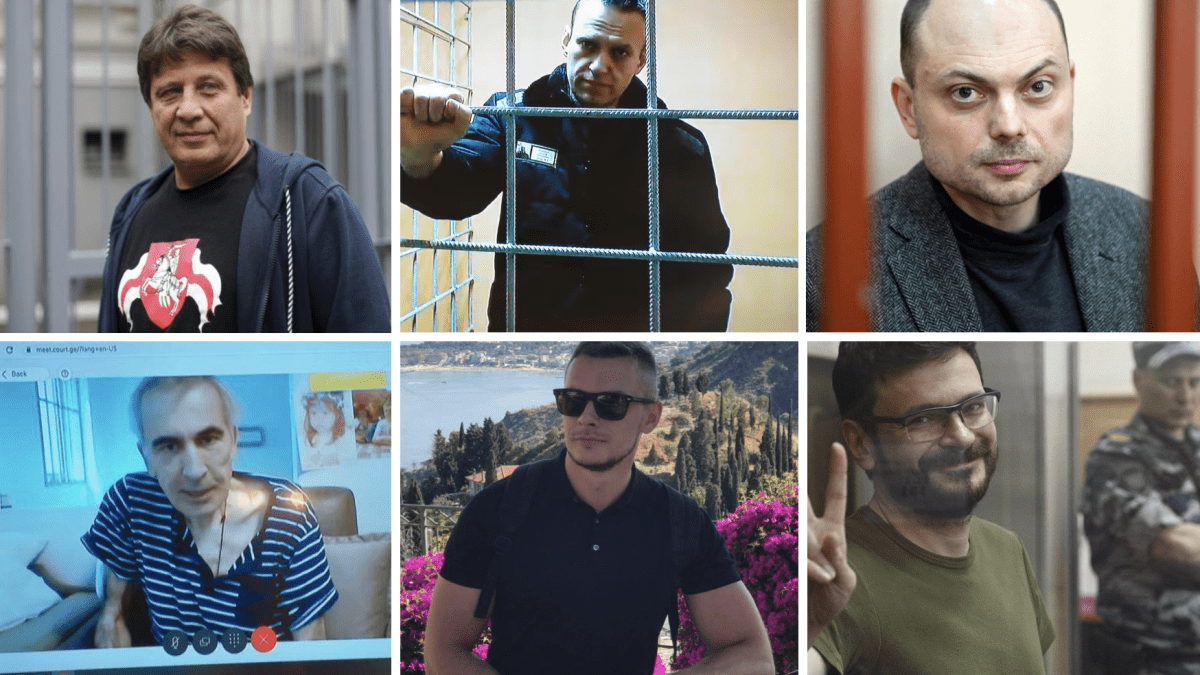 In Belarus, we are concerned with the sentence of the leader of the United Civic Party, Mikalai Kazlou. We are similarly concerned with the unlawful imprisonment of Artsem Liabedzka, who is awaiting a court decision in the Volodarskogo prison in Minsk.