Individual accountability, love of country, respect for the law and its rule,
belief in a superior transcendental order, embrace of a free enterprise system,
and the understanding that freedom is the most cherished natural right,
were the moral guidelines behind the 45th president’s policies.
.png) Donald J. Trump is now officially a former president. History will show that his stewardship of America was seminal for many reasons. The paradigm shift that began its consolidation in 2016, for which Trump deserves great credit, was a 21st reaffirmation of the values and beliefs of American exceptionalism. This national renaissance was a de facto repudiation of an internationalist (or globalist) worldview that took hold among democracies following World War II and was later accentuated after the collapse of the Soviet Union. The economy was the most important aspect, setting aside foundational ideological and anthropological tenets that surrendered culture to savvy intellectual social engineers of a Marxist persuasion. Liberals and conservatives of the Old Right alike eventually became enjoined by socialists for strategical purposes in the world market stage, despite having unequal ethical credentials.
Donald J. Trump is now officially a former president. History will show that his stewardship of America was seminal for many reasons. The paradigm shift that began its consolidation in 2016, for which Trump deserves great credit, was a 21st reaffirmation of the values and beliefs of American exceptionalism. This national renaissance was a de facto repudiation of an internationalist (or globalist) worldview that took hold among democracies following World War II and was later accentuated after the collapse of the Soviet Union. The economy was the most important aspect, setting aside foundational ideological and anthropological tenets that surrendered culture to savvy intellectual social engineers of a Marxist persuasion. Liberals and conservatives of the Old Right alike eventually became enjoined by socialists for strategical purposes in the world market stage, despite having unequal ethical credentials.
There is a morality to every political course. Trump followed a path aligned with America’s innate idiosyncratic principles that precede the American Revolution and are best understood in the Declaration of Independence and the fundamental route which followed and made the United States the freest and prosperous country in the world. Individual accountability, love of country, respect for the law and order, belief in a superior transcendental order, embrace of a free enterprise system, and the understanding that freedom is the most cherished natural right, were the moral guidelines behind the Trump agenda.
Here is what the empirical evidence tells us.
Economy
- Hits: 5312


 logrado, por fin, resolverlo. DeepMind había mostrado que era capaz de predecir con exactitud cómo las proteínas se pliegan y forman estructuras tridimensionales que determinan su función dentro de la célula usando un algoritmo de aprendizaje profundo.
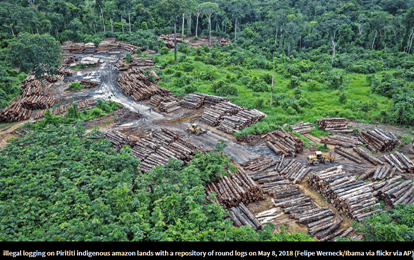 main promoters of this harmful intervention is the ambition for easy profits through the abusive exploitation of virgin environments that require low levels of investment: the conversion of ecosystems into agricultural areas, cattle pastures, dams, urban areas, and roads; the excessive exploitation of many species, including their illegal traffic; the introduction of animal and plant species from other countries that become invasive, etc. These results in the pollution of soil, water, and air. One of the most serious assaults on the environment is the destruction of the forests that serve as the oxygen-generating lung of the planet, through clandestine logging, fires to clear the land for agriculture, clearing for livestock, etc., etc.
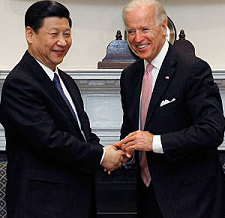 the California Public Employees Retirement Systems (CalPERS), which is estimated to have half a billion dollars in investments across several state-controlled companies such as China Mobile, China Telecom, China Unicom, and a variety of smaller stakes in other companies, including rail equipment manufacturer CRRC Corp., China Communications Construction Co. Ltd., and China Railway Construction Corp. Ltd. According to