Texto en Español AQUÍ
Analysis
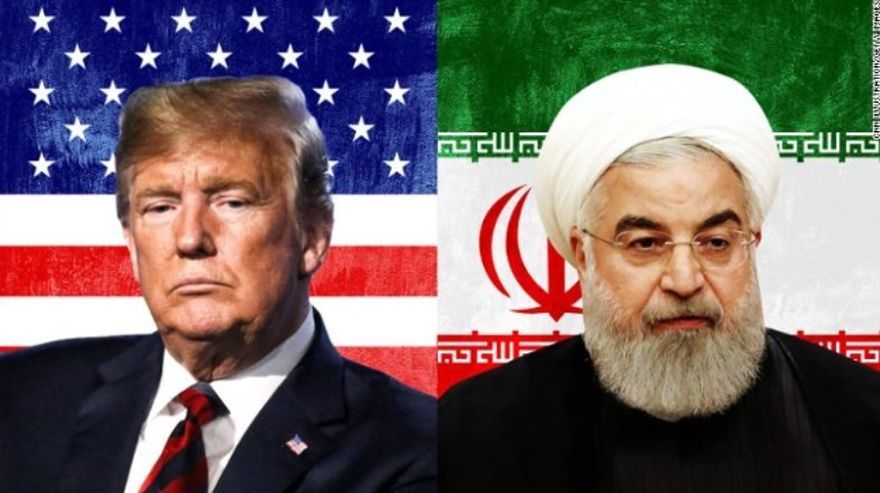
The "Memorandum of Understanding" between the United States and Iran was adopted "with immediate effect" following its signing by the leaders of both countries — an announcement made on social media by Pakistani Prime Minister Shehbaz Sharif, who helped broker the deal.
The document signifies that a provisional "understanding" has been reached, serving as a historic framework designed to halt hostilities for 60 to 90 days and ensure stability in the Middle East. It aims to prevent the resumption of hostilities, provided Iran proceeds to dispose of its enriched uranium, honors its pledge not to rebuild infrastructure capable of producing nuclear weapons, and agrees to allow toll-free passage through the Strait of Hormuz.
This "understanding" promotes a provisional truce establishing the conditions outlined in the memorandum that must be met. It is not a definitive agreement between the parties, but rather a conditional document.
In summary, while this pact lays the diplomatic groundwork for peace and seeks to curb escalation, significant challenges remain. Political analysts and media outlets have noted that the commitments demanded by Washington are more rigorous than the concessions offered to Tehran. Furthermore, key underlying issues —such as the Iranian nuclear program and economic terms— have yet to be resolved in future negotiations.
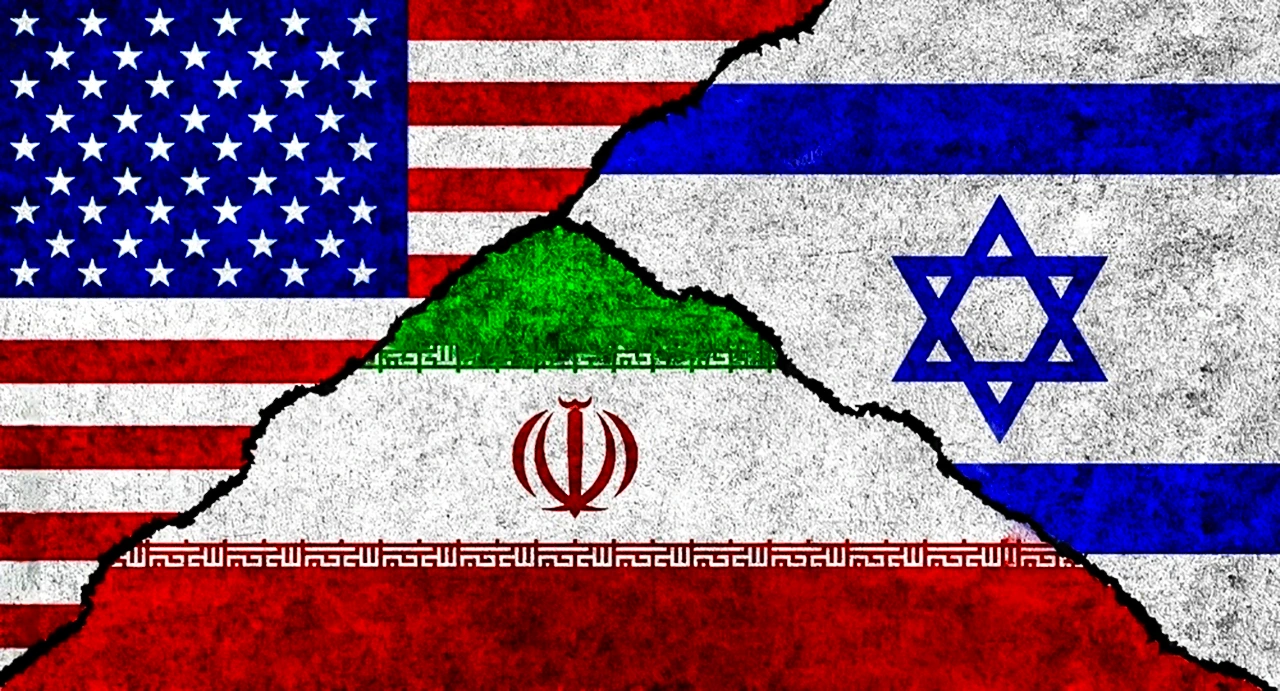 The first point of the "understanding" is the most problematic, as it mandates a ceasefire in Lebanon and the withdrawal of Israeli troops beyond their borders. "Israel has the right to defend itself, but, fundamentally, the Israelis —like everyone else— must respect this peace process, which is essentially beneficial both for them and for the entire region," Vicepresident Vance stated at a press conference this morning regarding the Memorandum of Understanding.
Regarding other points of the "understanding," Vance asserted that the terms of the agreement had been "misrepresented" by the media and emphasized that Tehran would not receive "a single cent from the United States under any circumstances." The memorandum of understanding envisions the creation of a $300 billion regional fund for Iran's reconstruction and the release of $24 billion in Iranian funds frozen due to sanctions. Vance clarified that these resources do not belong to the United States and that "the only way the Iranians will obtain any of these resources" is if they "fully comply" with the terms of the agreement.
Iran has stated that it is still considering holding a new round of negotiations with the United States in Switzerland tomorrow, Friday, but has not confirmed that the meeting will actually take place, contrary to earlier reports.
"The possibility of holding a new round of talks in Switzerland is still being considered," noted Iranian Foreign Ministry spokesman Ismail Bagaei, according to a statement by the Iranian government on X, EFE reports. The diplomat stated that he hopes "talks will continue through diplomatic channels and mediation efforts in the coming hours" and that an announcement regarding a meeting tomorrow would be made later.
MEMORANDUM OF UNDERSTANDING
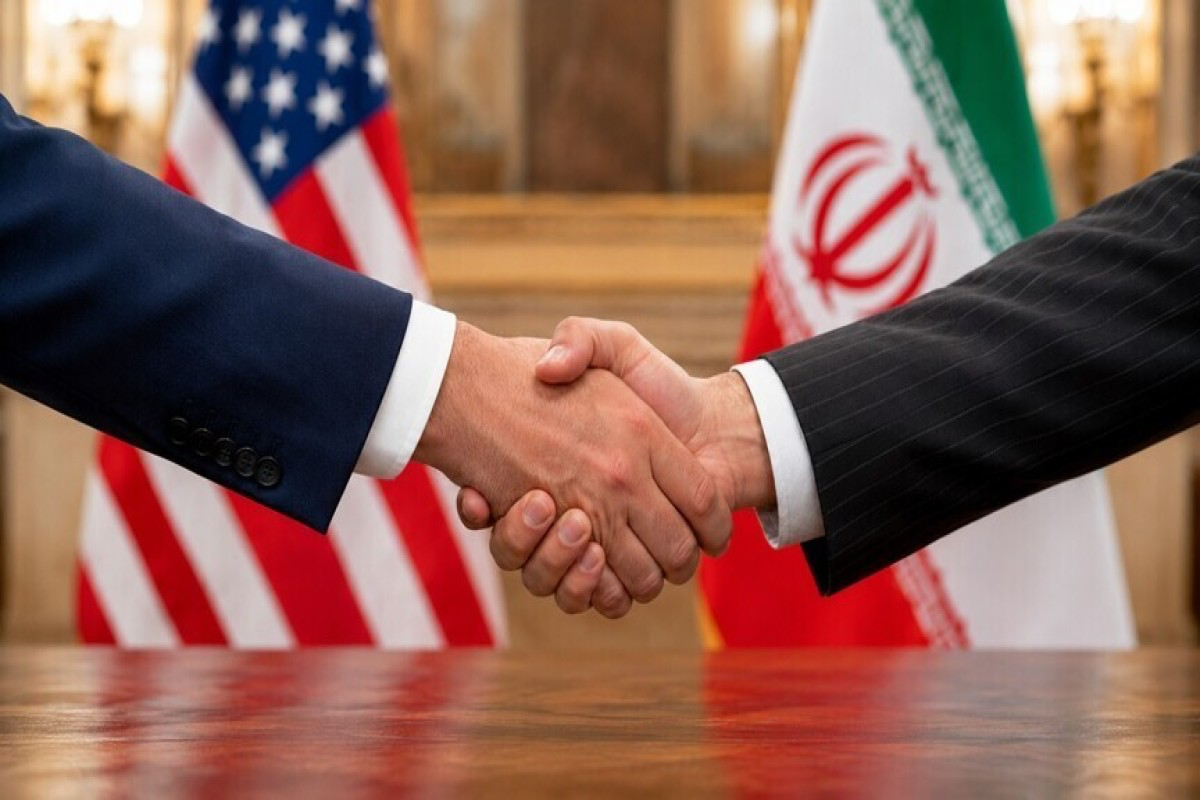
- The Islamic Republic of Iran, the United States of America, and their allies in the current war, by signing this memorandum of understanding, declare an immediate and permanent cessation of military operations on all fronts, including Lebanon, and undertake not to initiate any war or military operation against each other, to refrain from threats or use of force against one another, and to guarantee the territorial integrity and sovereignty of Lebanon. The final agreement will confirm the permanent cessation of war on all fronts, including Lebanon, and the other terms of this clause.
- The Islamic Republic of Iran and the United States of America agree to respect each other's sovereignty and territorial integrity and to refrain from interfering in each other's internal affairs.
- The Islamic Republic of Iran and the United States of America commit to conducting negotiations and reaching a final agreement within a maximum period of 60 days, extendable with the consent of both parties.
- Immediately upon the signing of this memorandum of understanding, the United States of America will begin lifting its naval blockade and any other disturbances or impediments against the Islamic Republic of Iran, and within 30 days will completely terminate the naval blockade. During this period, shipping traffic will be proportional to the pre-war traffic levels established by the Islamic Republic of Iran. The United States also commits to withdrawing its military forces from the peripheral area of the Islamic Republic of Iran within 30 days of the final agreement.
- With the signing of this memorandum of understanding, the Islamic Republic of Iran will take all necessary steps to ensure the safe passage of commercial vessels, free of charge for 60 days, from the Persian Gulf to the Gulf of Oman and vice versa. Commercial vessel transit will commence immediately and, considering the need to remove technical and military obstacles and carry out demining by the Islamic Republic of Iran, will be fully established within 30 days. Iran will engage in dialogue with the Sultanate of Oman to determine the future administration and maritime services in the Strait of Hormuz, in accordance with applicable international law and the sovereign rights of the countries bordering the Strait of Hormuz, and will consult with other countries bordering the Persian Gulf.
- The United States of America, together with its regional partners, commits to creating a definitive program agreed upon by both parties for the reconstruction and economic development of the Islamic Republic of Iran, with a minimum financing of $300 billion. The mechanism for implementing this program will be finalized as part of the final agreement within 60 days. All necessary approvals, waivers, and permits for the corresponding financial transactions will be provided by the United States.
- The United States of America commits to ending all sanctions against the Islamic Republic of Iran, including United Nations Security Council resolutions, International Atomic Energy Agency Board of Governors resolutions, and all unilateral U.S. sanctions, both primary and secondary, according to a timetable agreed upon as part of the final agreement. The Islamic Republic of Iran and the United States recognize the fundamental importance of the aforementioned sanctions lifting issue and express their intention to address these matters urgently in negotiations to reach a mutually agreeable solution.
- The Islamic Republic of Iran reaffirms that it will not produce or acquire nuclear weapons. The Islamic Republic of Iran and the United States of America have agreed to resolve the situation of stockpiled enriched materials through a mechanism agreed upon by both parties and in accordance with the timetable set forth in Clause 7, at least through in-situ dilution, under the supervision of the International Atomic Energy Agency. Both parties also agree to discuss the issue of enrichment and other agreed matters related to the nuclear requirements of the Islamic Republic of Iran, based on a satisfactory framework to be agreed upon in the final agreement. The final agreement will confirm the terms of this clause. The Islamic Republic of Iran and the United States recognize the fundamental importance of the aforementioned nuclear issues and express their intention to address them urgently in negotiations to reach a mutually agreeable solution.
- The Islamic Republic of Iran and the United States of America agree to maintain the status quo until a final agreement is reached; the Islamic Republic of Iran will maintain the status quo in its nuclear program, and the United States of America will not impose new sanctions against Iran or deploy any more military forces in the region.
- The United States of America undertakes to issue immediately, after the signing of this memorandum of understanding and until the termination of the sanctions, the Treasury Department licenses for the export of Iranian crude oil, petrochemical products and their derivatives, and all related services, including banking transactions, insurance, transportation, etc.
- The United States of America undertakes to make available for its full use the limited or blocked funds and assets of the Islamic Republic of Iran through the implementation of this memorandum of understanding. The United States of America and the Islamic Republic of Iran will bilaterally agree on the procedure for the release of these funds during negotiations. These funds, whether held in the master account or transferred, shall be fully available for payment to any ultimate beneficiary designated by the Central Bank of the Islamic Republic of Iran. The United States of America undertakes to issue all necessary approvals and licenses in this regard.
- The Islamic Republic of Iran and the United States of America agree to establish an operational mechanism to monitor the successful implementation of this memorandum of understanding and future compliance with the final agreement.
- Following the signing of this memorandum of understanding and conditional upon the commencement of implementation of paragraphs 1, 4, 5, 10 and 11 of this memorandum and the continuation of these actions, the Islamic Republic of Iran and the United States of America will commence exclusive negotiations on the remaining paragraphs for the final agreement.
- The final agreement will be approved by a binding resolution of the United Nations Security Council.
Comments powered by CComment