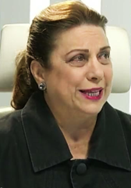
En Rabat, asistí al foro 2025 de la Academia Real de Marruecos, prestigiada institución dirigida por el Secretario Perpetuo, Abdeljalil Lahjomri, de la cual soy miembro de honor desde el 2023.
La Academia, fundada en 1977 por el rey Hassan II, tiene por objetivo contribuir a fomentar la paz y a la investigación científica, particularmente en el campo de las ciencias, la cultura y las artes.
En esa ocasión, los participantes comentaron sobre el conflicto entre Israel y Palestina, los asesinatos perpetrados por el grupo terrorista Hamas y la brutal invasión de Rusia a Ucrania, para apoderarse de Crimea, Donetsky y Logansk, y que, a la fecha, controla 112 mil kilómetros de territorio ucraniano.
En ese desgraciado contexto, sostuve que las confrontaciones militares desvían importantes recursos económicos en compras de material bélico, advirtiendo que los conflictos pueden escalar al uso de arsenal nuclear, porque existen 12,331 ojivas en el mundo, de las cuales Rusia y Estados Unidos cuentan con 5,449 y 5,277 respectivamente.
Colombia ha sido sin duda alguna el Estado mas acosado por los extremismos políticos y el crimen organizado, dos factores cismáticos que afectan profundamente el desarrollo humano, aunque es obligado reconocer que, a pesar de las profundas crisis, la alternabilidad democrática no ha sido quebrantada y no por falta de malas intenciones de algún que otro gobernante.
Son muchos los factores que se han complotados contra la democracia colombiana. Sujetos y entidades que siempre han sido conscientes que sus operaciones subversivas o de tráfico de drogas, para asegurar su éxito, tienen que estar vinculados a activos extranjeros.
La violencia en Colombia como en el resto de los países del hemisferio es una especie de plaga, pero la situación en ese país sudamericano se agravó después del triunfo de la insurrección castrista en Cuba y el incremento del cultivo, fabricación y tráfico de narcóticos en el territorio nacional. La transnacionalización en la ejecución y preparación de estos actos delictivos tienen una mayor garantía de triunfo cuando factores extranjeros inciden en los mismos, de ahí la importancia de la dictadura de Nicolás Maduro en Venezuela y el totalitarismo de Miguel Díaz Canel en Cuba.
Tanto Caracas como La Habana ejercen una gran influencia sobre los grupos delictivos colombianos porque son factores importantes en las gestiones del crimen organizado a la vez que representan modelos de autoridad, no de gobierno, que inspiran a los aspirantes a déspotas.
Da la impresión de que la violencia y la falta de visión dominan nuestro mundo. (Brian Weiss)
Durante largo tiempo, la violencia, el desorden social más viejo en la historia de la humanidad, ha sido objeto del estudio minucioso de académicos y científicos. Si se encontraran las causas –dicen– el paso lógico a seguir sería hallar la cura.
Más fácil dicho que hecho, porque la violencia, según algunos, es inherente a la naturaleza humana, y por consiguiente un mal con el que hay que vivir. Otros menos pesimistas alegan que la violencia es algo que los jóvenes aprenden de los viejos, y por tanto el único remedio es la educación.
Las versiones científicas más recientes aseguran que la violencia de un individuo está determinada por una fórmula genética heredada y por eso su control está determinado por la identificación del gen que lo produce. Pero no importa cómo y a qué se atribuyan sus causas, todos están de acuerdo en que existe una relación directa entre la violencia a que se exponga un individuo en su infancia y la agresividad de la que más adelante se jacte por la vida.
Crueldad y Violencia
Una persona violenta carece del control y la ética necesarios para evitar transgredir los límites de los derechos ajenos. Cuando una persona cruel agrede a otros, transgrede el territorio ajeno en busca de satisfacción para su instinto depredador. Su necesidad es la de controlar a otros y retribuir así un ego enfermo e inseguro.
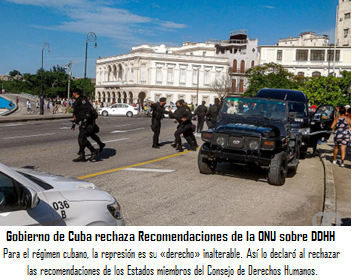
La represión en Cuba es cada vez más dura y cada vez más como reacción a protestas por hambre. Y es comprensible que la gente se indigne: un reciente sondeo muestra que sólo el 29% de los cubanos hace dos comidas al día. Según el informe de Food Monitor, otro 9,8% de los encuestados afirma que nunca consume vegetales. Estos actos represivos, especialmente cuando van dirigidos contra jóvenes y ciudadanos desarmados, genera gran preocupación en materia de derechos humanos. Que se enfrente a una solicitud fiscal de 8 a 10 años de cárcel por expresar una necesidad básica no solo constituye una posible violación de la libertad de expresión, sino también del derecho a la protesta pacífica, consagrados ambos en la Declaración Universal de los Derechos Humanos (artículos 19 y 20), documento al que el régimen, visto lo visto, no se atiene en lo absoluto.
Como si fuera poco, la vicepresidenta del Tribunal Supremo Popular de Cuba, Maricela Sosa Ravelo, anunció el 30 de mayo de 2025 que se aplicará la pena de muerte o la cadena perpetua a quienes cometan actos vandálicos contra infraestructuras y servicios considerados estratégicos en el país.
El régimen citó, a través de la Cancillería, a Hammer, el valiente diplomático estadounidense que circula por provincias y pueblos cubanos. Lo acusa de incitar a cometer actos delictivos. Desde su país, lo defienden sin ambages. «Seguiremos reuniéndonos con patriotas cubanos, líderes religiosos y quienes luchan por las libertades de los cubanos» puntualizó el Departamento de Estado. Por cierto que esta semana, el canciller cubano, confesó que temen a la Cúpula Dorada, el sistema de escudo antimisiles de EEUU y lo califica como “amenaza para la paz”.
En el Combinado del Este, Lázaro Piloto Romero, de 58 años, sufrió una brutal agresión. Fue arrestado en 2023 y sentenciado a siete años por propaganda contra el orden constitucional tras una protesta pacífica. Y en el mismo penal, de máxima seguridad, un rapero inició esta semana una huelga de hambre.
El movimiento progresista enfrenta una bifurcación en el camino: Una ruta conduce a restaurar el sentido común y abandonar las causas radicales, la otra es un conducto engrasado pavimentado con políticas detestables y dañinas. Robert Knight, periodista estadounidense.
En su falta de liderazgo genuino, ideas y argumentos inteligentes, el Partido Demócrata ha degenerado en una especie chismosa y resentida, que se pega de cualquier ridiculez para atacar a sus antagonistas políticos. Sus fanáticos seguidores son la masa delirante, obsesionada con Donald Trump y con cualquiera que apoye sus iniciativas para salvar al país de la quiebra económica y moral.
Con la complicidad de una prensa mercenaria, un sistema judicial minado de jueces parcializados, una corrupta industria del entretenimiento y un desmoronado sistema educativo, el cada vez más siniestro “liderazgo”, ha convertido la política del Partido Demócrata en un vertedero del que beben sus insensatos electores.
Al evaluar los primeros 100 días de Trump en la presidencia, Michael Goodwin del New York Post observa que Trump pintó el mapa del color republicano, para expresar que USA no es un país comunista ni socialista sino una república. Eso le dio el poder para tomar decisiones cuya línea apunte a un país de trabajadores, no de políticos.
Lo normal sería que el Partido Demócrata, cuya anterior administración convirtió al país en un asilo de lunáticos, permitiera su reconstrucción. Pero de acuerdo con el análisis de Patrice Lewis en el WorldnetDaily, las profundidades de la locura en la que los demócratas están dispuestos a caer por oponerse a Trump, es muy evidente. No importa lo que el presidente proponga, el todo es llevarle la contraria.
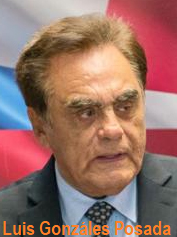 En Rabat, asistí al foro 2025 de la Academia Real de Marruecos, prestigiada institución dirigida por el Secretario Perpetuo, Abdeljalil Lahjomri, de la cual soy miembro de honor desde el 2023.
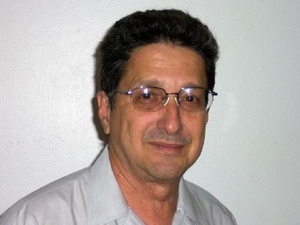 Colombia ha sido sin duda alguna el Estado mas acosado por los extremismos políticos y el crimen organizado, dos factores cismáticos que afectan profundamente el desarrollo humano, aunque es obligado reconocer que, a pesar de las profundas crisis, la alternabilidad democrática no ha sido quebrantada y no por falta de malas intenciones de algún que otro gobernante.
 D
D
 La represión en Cuba es cada vez más dura y cada vez más como reacción a protestas por hambre. Y es comprensible que la gente se indigne: un reciente sondeo muestra que sólo el 29% de los cubanos hace dos comidas al día. Según el informe de Food Monitor, otro 9,8% de los encuestados afirma que nunca consume vegetales. Estos actos represivos, especialmente cuando van dirigidos contra jóvenes y ciudadanos desarmados, genera gran preocupación en materia de derechos humanos. Que se enfrente a una solicitud fiscal de 8 a 10 años de cárcel por expresar una necesidad básica no solo constituye una posible violación de la libertad de expresión, sino también del derecho a la protesta pacífica, consagrados ambos en la
  documento al que el régimen, visto lo visto, no se atiene en lo absoluto.
 En el Combinado del Este, Lázaro Piloto Romero, de 58 años, sufrió una brutal agresión. Fue arrestado en 2023 y sentenciado a siete años por propaganda contra el orden constitucional tras una protesta pacífica. Y en el mismo penal, de máxima seguridad, un rapero inició esta semana una huelga de hambre.