
| Editor note: Government officials have immediate, unobstructed access to cameras on public property and government facilities. Agencies maintain direct access to traffic, transit, and public-space CCTV networks. Law enforcement increasingly utilizes automated networks (such as police-managed license plate readers) that store broad movement data on demand. |
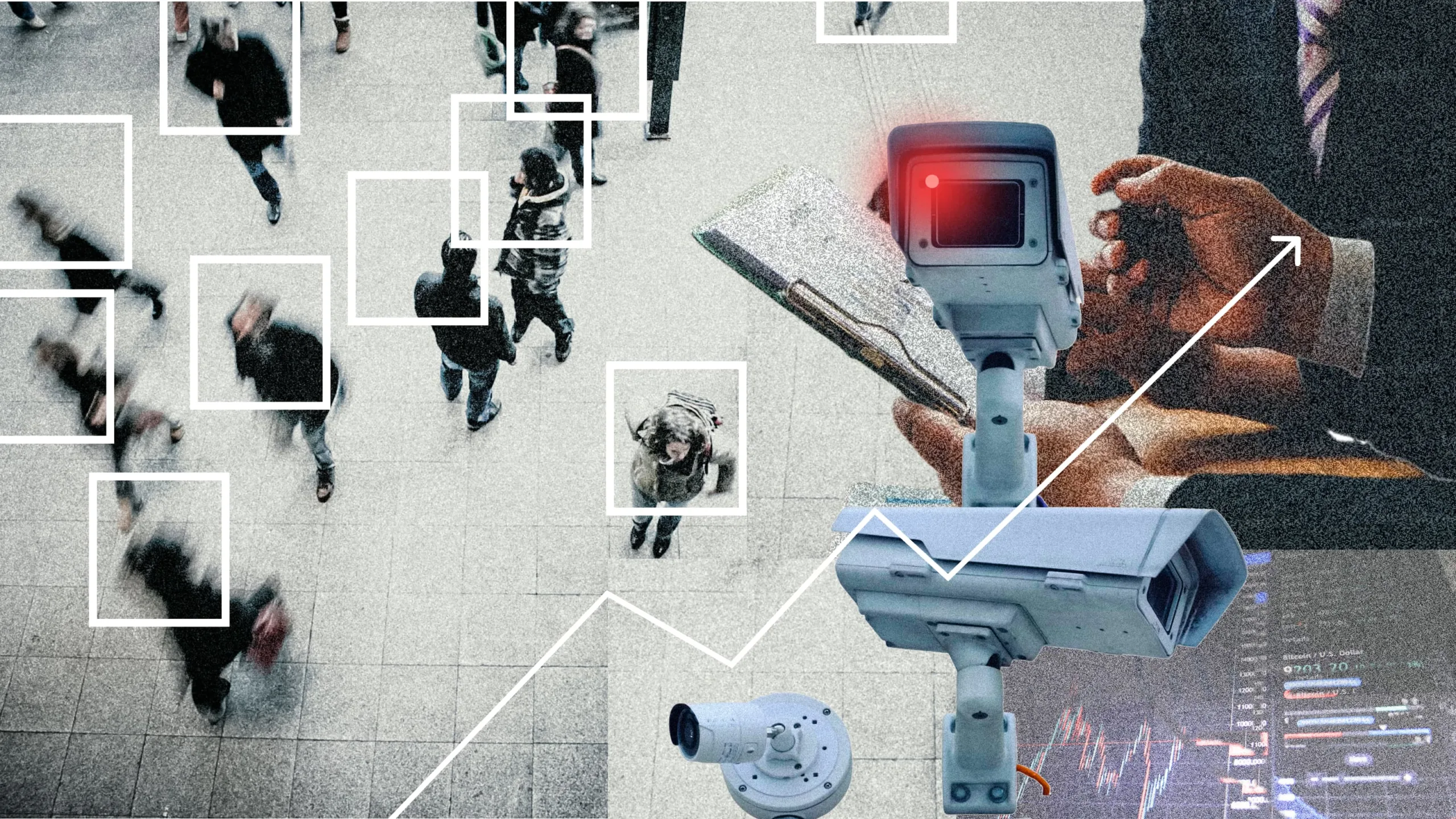
Across the United States, we are seeing more surveillance infrastructure—Flock license-plate cameras, facial-recognition systems, massive data centers, and proposals for digital ID.
It's a sea change in the way society is structured. And not just in the US; it's worldwide. Cameras are ubiquitous today. They're in most stores. They're on streets in every city and town recording your license plate and often looking to tag you with a speeding ticket. If you have a late-model car, its cameras and computer chips will rat you out upon request. If you knock on your neighbor's door, a camera is probably recording you. When you travel, almost all immigration authorities recognize your face in addition to taking digital fingerprints.
Right now, as you read this via the internet, you're being recorded by your own machine's camera. Siri and Alexa hear everything you say.
Now comes a company called Flock Safety. Since its founding in 2017, it’s installed about 100,000 cameras, mostly in metropolitan areas, peddling its systems to local governments and law enforcement agencies. I have no doubt millions of its cameras will be everywhere in the next few years. A perfect example of the corporate/State "partnership." Mussolini would approve.
- Hits: 49

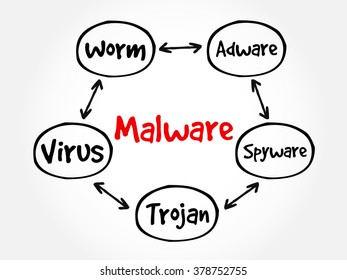 Lo que descubrieron fue sorprendente y sumamente peligroso. Alrededor de la tercera parte de esos anuncios comerciales que habían sido vistos cientos de millones de veces por los usuarios, arrastraron a los incautos a situaciones fraudulentas, phishing o directamente a malware. Se reveló así una enorme maquinaria de estafas a escala industrial que ha penetrado profundamente en el ecosistema publicitario actual.