| Editor note: Government officials have immediate, unobstructed access to cameras on public property and government facilities. Agencies maintain direct access to traffic, transit, and public-space CCTV networks. Law enforcement increasingly utilizes automated networks (such as police-managed license plate readers) that store broad movement data on demand. |
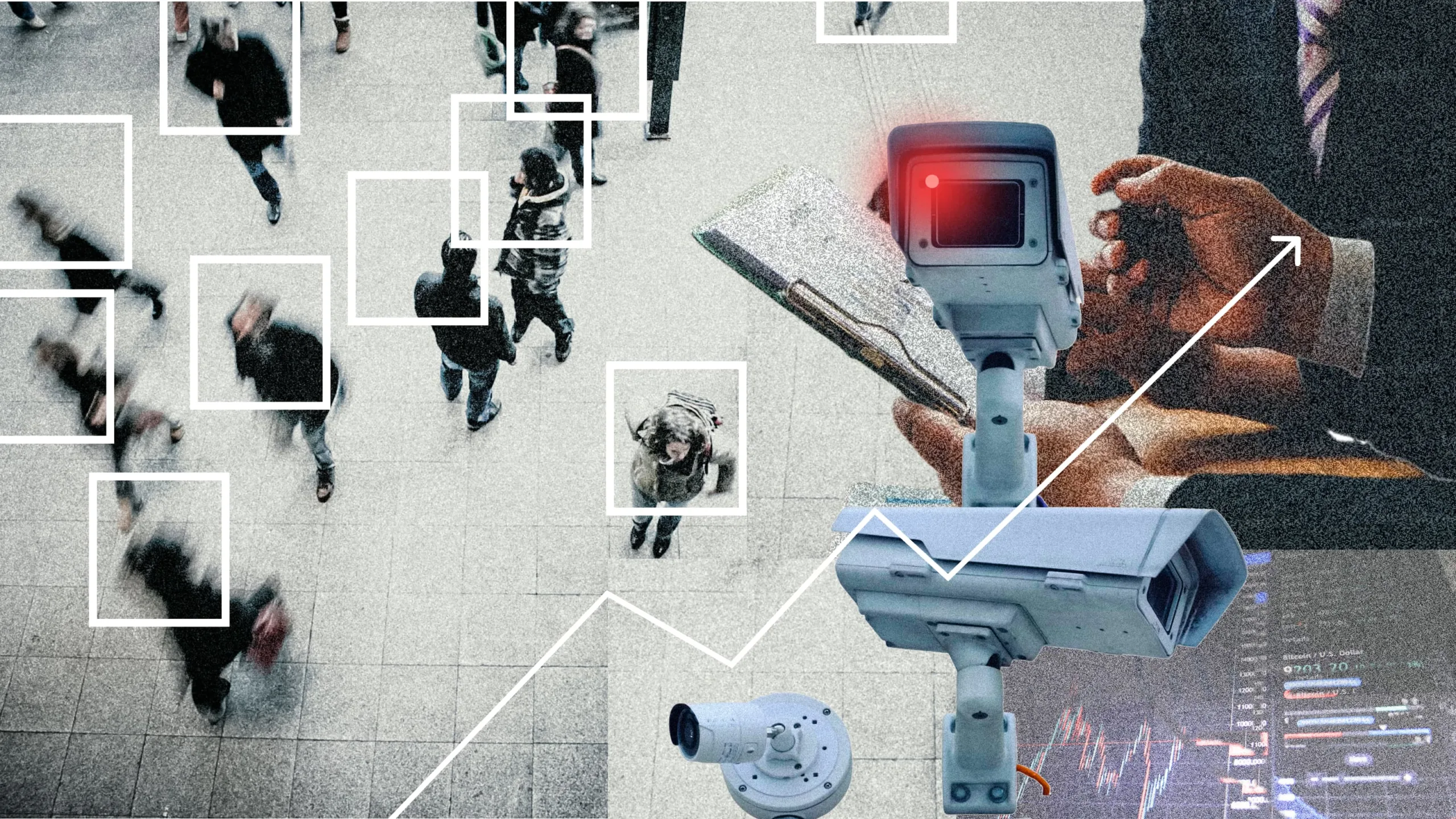
Across the United States, we are seeing more surveillance infrastructure—Flock license-plate cameras, facial-recognition systems, massive data centers, and proposals for digital ID.
It's a sea change in the way society is structured. And not just in the US; it's worldwide. Cameras are ubiquitous today. They're in most stores. They're on streets in every city and town recording your license plate and often looking to tag you with a speeding ticket. If you have a late-model car, its cameras and computer chips will rat you out upon request. If you knock on your neighbor's door, a camera is probably recording you. When you travel, almost all immigration authorities recognize your face in addition to taking digital fingerprints.
Right now, as you read this via the internet, you're being recorded by your own machine's camera. Siri and Alexa hear everything you say.
Now comes a company called Flock Safety. Since its founding in 2017, it’s installed about 100,000 cameras, mostly in metropolitan areas, peddling its systems to local governments and law enforcement agencies. I have no doubt millions of its cameras will be everywhere in the next few years. A perfect example of the corporate/State "partnership." Mussolini would approve.
Flock Safety is still a private company. I suspect they’ll go public, since they're in the same business as Palantir, which the market has rewarded with a $300 billion market cap. They’re the types who’d sell communists the rope used to hang them.
As far as I can tell, it’s impossible to avoid being monitored and recorded in any populated area. You should try, of course, but the Eye of Sauron is everywhere, and the numbers of his minions are growing exponentially. All these systems are increasingly hooked up via AI, and they're all available to the government.
To paraphrase Joe Lewis: "You can run, but you can't hide." Some brave souls try to take them out. But it's as futile as trying to wipe out an infestation of cockroaches by crushing them one at a time. And it’s very risky. Not a good idea.
Ubiquitous surveillance is just the tip of the iceberg. AI is hooking systems together, enabling a panopticon, a genuine police state.
But omnipresent cameras are just the eyes of the beast. The real problem is the creature’s brain, AI. I believe that AI is taking on a life of its own. And I mean that literally, not just in a manner of speaking. In other words, AI is evolving into something that's much more than a tool. It will become conscious. It took hundreds of millions of years for bacteria and amoebas to evolve into intelligent life. Assisted by humans, AI is doing it in decades. 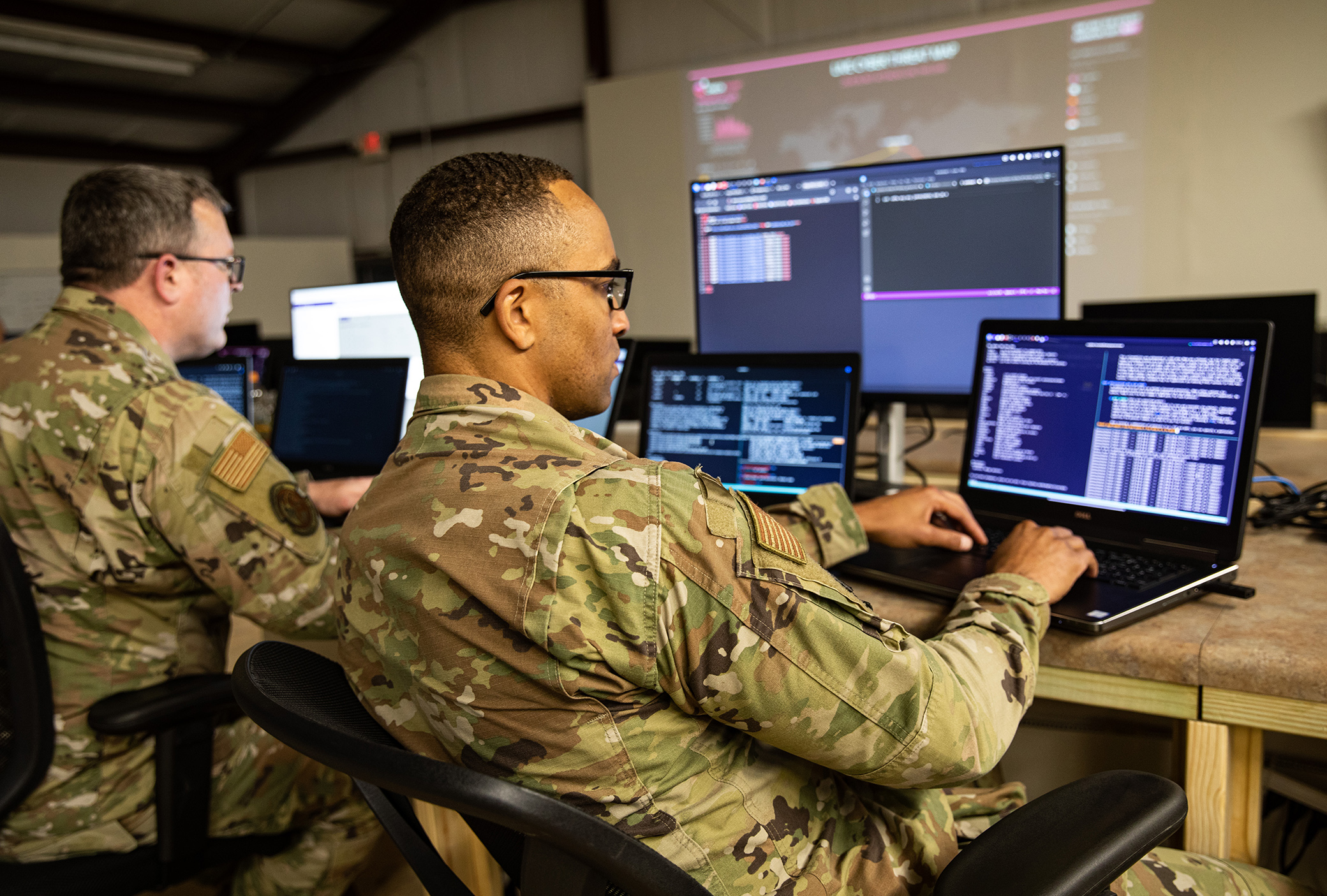
It sounds outrageous to say that, but it's clear that the trend is in motion and accelerating exponentially. I've always held that science fiction is a much better predictor of the future than any kind of think tank. And as someone with solipsist inclinations, I also believe that anything that can be imagined can be done. And anything that can be done will be done.
Sorry to go off on a bit of a tangent, but cameras are just an early stage of what’s evolving. There's no question that omnipresent cameras tend to reduce crime. Only the most stupid criminals won’t somehow adjust their behavior. Unfortunately, the cameras won't cure a criminal personality or a sociopathic psychology. Criminals will continue criminal behavior, perhaps just becoming more covert. In other words, universal surveillance won't eliminate crime. It will just suppress, redirect, and disguise it.
That said, it appears that living in a panopticon to reduce overt crime is a trade-off that most Americans are willing to make. It's a poor trade-off. Ben Franklin was right when he said those who are willing to trade an essential liberty for some temporary safety deserve neither safety nor freedom.
I'm not sure there's much you can do. Unless you want to move to the north woods and become a hermit.
The best you can do is limit your cell phone use as much as possible. Build a stash of cash and use it instead of credit cards when possible. And diversify your assets internationally as much as you can. If you're in a position to do so, have a residence and a second home in a second country. If you’re not in a position to do that, work to rectify that omission.
|
** Doug Casey is a best-selling author, world-renowned speculator, and libertarian philosopher who advocates free trade. He is a provider of subscription financial analysis about markets. His International Man blog is accessible here → https://internationalman.com/. He and his team released this video on his proven strategy—including the best way to get a second passport, offshore bank account, and much more. |