- The Cuban Observatory for Human Rights (OCDH) documented at least 356 repressive actions in Cuba during July, a month marked by the fifth anniversary of the July 11, 2021 protests.
- The organization warned of an increased police presence and abuses against activists, political prisoners, independent journalists and religious leaders, amid the worsening economic and social crisis on the island.
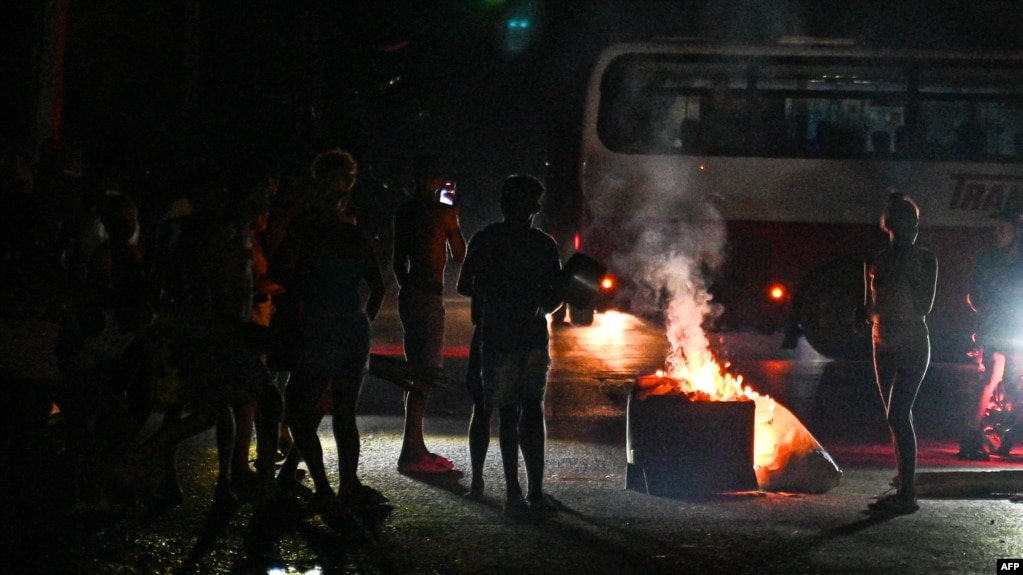 Aug. 6.— The Cuban Observatory for Human Rights (OCDH) recorded 356 repressive actions in Cuba during July, of which 54 were arbitrary detentions and 302 corresponded to other violations of fundamental rights, according to the organization's monthly report released this Wednesday.
Among the main documented abuses are 109 police sieges of activists' homes, 78 violations against political and common prisoners, as well as harassment, threats, police summonses and interruptions of communications.
The provinces of Havana, Santiago de Cuba and Camagüey concentrated the highest number of incidents during the month in which the fifth anniversary of the historic protests of July 11 was commemorated.
In statements to Martí Noticias, Yaxys Cires, director of Strategy at the OCDH, said that the increase in repression is occurring in a context of profound deterioration of living conditions in the country.
"The social climate is truly unbearable. To the situation of poverty, blackouts, famine, and medicine shortages, we must add the heavy police presence, repression, and constant surveillance of the people," Cires stated. 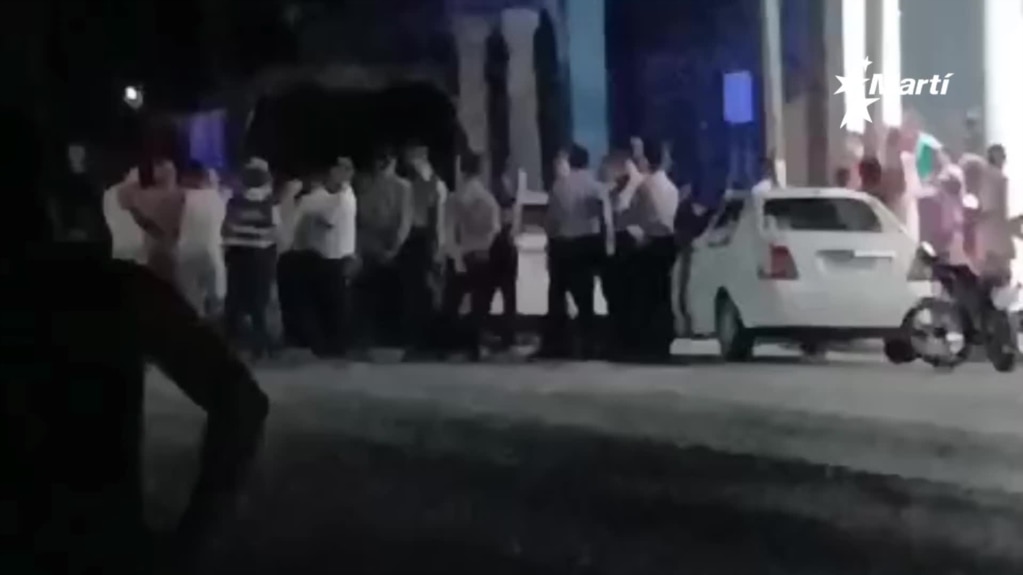
The executive explained that this reality was reflected in the data collected by the organization.
"That is what we are noticing in the data we are publishing and denouncing today: an increase in the repressive situation against activists, opponents, against the people, ordinary people, and against religious leaders," he added.
The report indicates that a significant number of arrests were related to pot-banging protests and demonstrations sparked by prolonged blackouts, water shortages, and deteriorating living conditions. Others occurred during preventative operations to stop members of civil society from attending a reception hosted by the U.S. Embassy in Havana to commemorate the 250th anniversary of U.S. independence.
The OCDH also denounced a resurgence of abuses against political prisoners, through the use of punishment cells, isolation, arbitrary transfers, denial of medical care, suspension of prison benefits, physical assaults and psychological harassment.
Among the prominent cases are those of Lizandra Góngora Espinosa, José Antonio Pompa López, Juan Enrique Pérez Sánchez, Manuel de Jesús Rodríguez García, Leonard Richard González Alfonso and Roilán Álvarez Rensoler.
The organization also warned about the poor conditions in prisons, where problems with access to drinking water, food, medicine and hygiene persist, a situation that has led several inmates to start hunger strikes as a form of protest.
The report also documents a widespread deployment of surveillance and house sieges against activists, independent journalists, human rights defenders, relatives of political prisoners and religious leaders to prevent their participation in public activities and in the commemorations of 11J.
Among those affected are Henry Constantin Ferreiro, Jorge Olivera, Yoani Sánchez, Reinaldo Escobar, Camila Acosta, Berta Soler, Ángel Moya, Dagoberto Valdés, Manuel Cuesta Morúa and the priest Castor Álvarez Davesa, whom the authorities prevented from leaving the country on July 10 to attend an episcopal ordination in the United States.
The Observatory also reported an increased presence of State Security agents, the National Revolutionary Police, and special troops on the streets, especially in Havana and other provincial capitals.
For Cires, the combination of economic crisis and greater state control comes at a high cost to the population.
"The social climate is unbearable: on the one hand, blackouts, hunger, and a lack of medicine; on the other, an excessive police presence used for repression and control. This situation is taking a very serious and, in many cases, irreparable human toll on the entire population, but especially on the chronically ill, the elderly, and prisoners," he concluded.
Comments powered by CComment