Si permitimos que los algoritmos crien a nuestros hijos, no perderemos simplemente una generación, perderemos las cualidades que sostienen a la sociedad civilizada y a la humanidad en su conjunto.
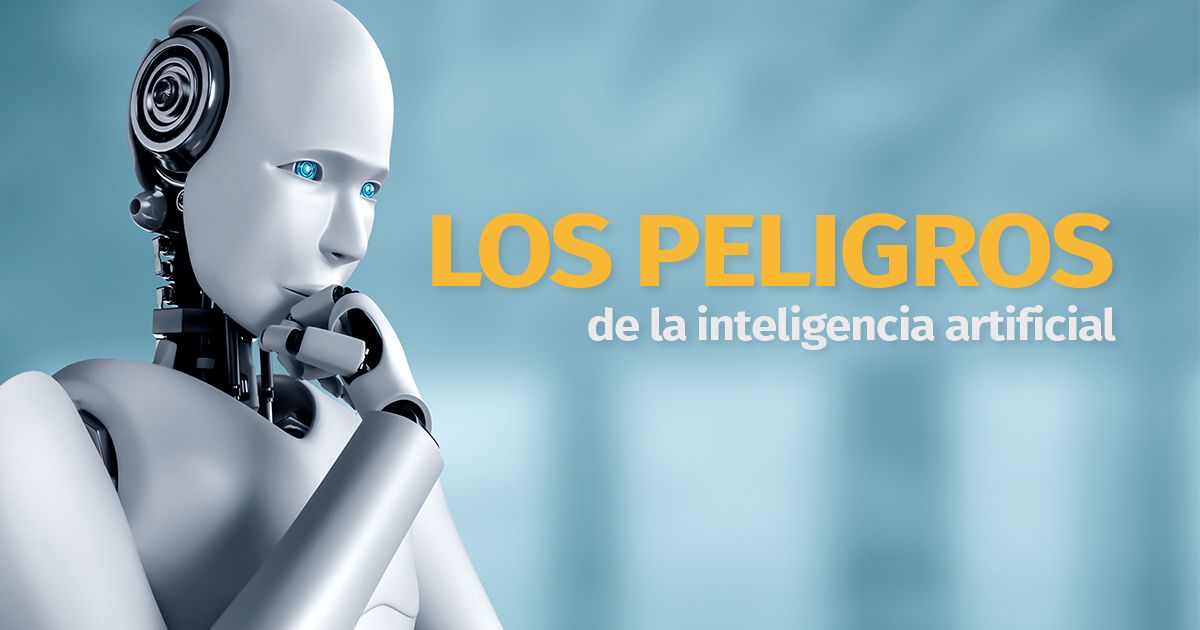 Durante más de una década, los expertos nos han advertido sobre los peligros de los algoritmos. En 2015, Frank Pasquale, un erudito legal y experto en derecho en relación con la inteligencia artificial (IA), advirtió en "The Black Box Society : The Secret Box Society : The Secret Algorithms That Control Money and Information" que la autoridad se expresa cada vez más algorítmicamente.
La científica de datos Cathy O-Neil siguió en 2016 con su libro más vendido, "Weapons of Math Destruction", mostrando cómo las fórmulas invisibles reforzaron la desigualdad en áreas como puntajes de crédito, policía y contratación.
Estas advertencias eran graves, y tenían razón.
Pero incluso mientras sonaban las alarmas sobre la equidad, el sesgo y la discriminación en los sistemas de adultos, una cosa quedó en las sombras: la infancia. Los expertos estaban observando cómo los algoritmos gobernaban nuestras finanzas, nuestros trabajos y nuestra reputación. Pocos se detuvieron a preguntar cómo esos mismos sistemas se amplificaban a través de las redes sociales y ahora se sumarían compañeros cibernéticos de IA que vendrían a gobernar la vida cotidiana, las identidades y el futuro de nuestros hijos.
Para 2020, el innovador documental "The Social Dilemma" trajo el tema a la corriente principal. Algunos que fueron "insiders" de Google, Facebook y Twitter, junto a investigadores del Centro para la Tecnología Humana, revelaron cómo el diseño basado en el compromiso estaba explotando la psicología, difundiendo información errónea y polarizando las sociedades. La película fue una llamada de atención, pero incluso entonces el foco estaba principalmente en la política y la confianza cívica. Una vez más, los niños fueron tratados como víctimas colaterales, no como un segmento de la población que debe ser objetivo principal. Y sin embargo hoy día son los jóvenes los que están más profundamente gobernados por algoritmos.
Pasquale y O-Neil tenían razón al llamar la atención sobre los sombríos sistemas que deciden quién obtiene préstamos, quién consigue trabajo y quién puede expresarse en línea. Pero mientras los adultos tienen algunas defensas como experiencia de vida, habilidades de pensamiento crítico e identidades desarrolladas, los niños no. Están en los años más formativos de desarrollo cerebral, cuando los patrones de pensamiento, regulación emocional e identidad todavía están en desarrollo.
- Hits: 690
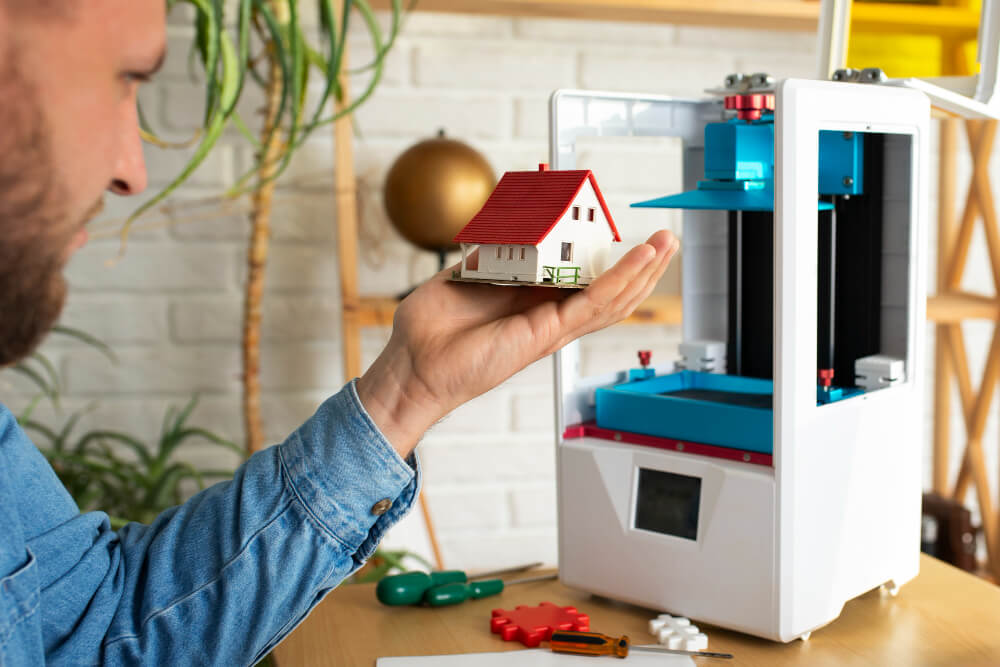 Así como hay innovaciones tecnológicas que revolucionan nuestras vidas desde el minuto cero, hay otras que, sin embargo, no terminan de cuajar, o no influyen de manera tan directa en nuestro día a día, o siguen una evolución más silenciosa, al menos, para la opinión pública.


 Technology—all technologies—inevitably become better and cheaper over time. That trend has been in motion, at an accelerating rate, since at least the end of the last Ice Age about 12,000 years ago. Since the start of the Industrial Revolution about 200 years ago the hyperbolic curve has gone vertical.
 Helsinki, Feb.5 (DPnet).
 is organized in the framework of the CoE-EU Technical Support project “Upholding equality and non-discrimination by equality bodies regarding the use of artificial intelligence (AI) in public administrations”, co-funded by the European Union. This European Union–Council of Europe Technical Support project will extend up to 2025 and is expected to strengthen the administrative capacity of the equality bodies with Belgium, Portugal, and Finland as the main beneficiaries.