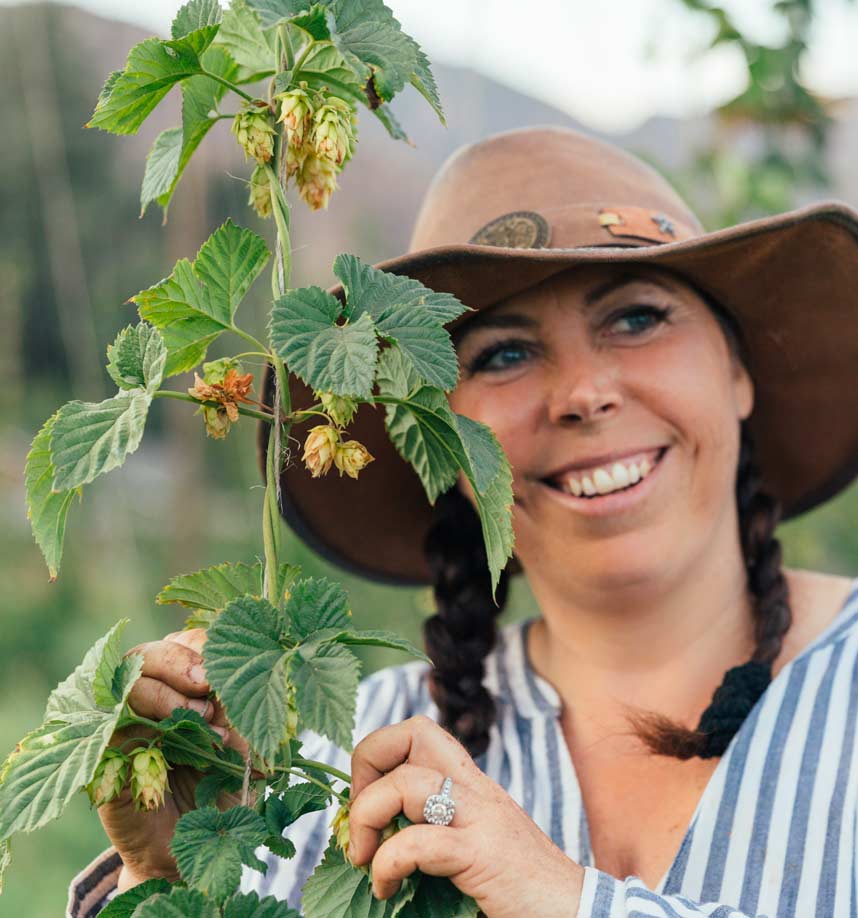
 The author, Mollie Engelhart, is an expert in agricultural issues and highlights here the disastrous situation of instability and inefficiency caused by an bloated, atrophied bureaucracy that is highly hindering free enterprise. She is a regenerative farmer and rancher at Sovereignty Ranch, committed to food sovereignty, soil regeneration, and educating on homesteading and self-sufficiency, after her journey from vegan chef and LA restaurateur to hands-in-the-dirt farmer. The author, Mollie Engelhart, is an expert in agricultural issues and highlights here the disastrous situation of instability and inefficiency caused by an bloated, atrophied bureaucracy that is highly hindering free enterprise. She is a regenerative farmer and rancher at Sovereignty Ranch, committed to food sovereignty, soil regeneration, and educating on homesteading and self-sufficiency, after her journey from vegan chef and LA restaurateur to hands-in-the-dirt farmer. |
The most centrally planned, government-dependent, subsidy-driven system in the United States isn’t medicine, housing, or energy. It’s food. Will the current administration be able to solve this problem?
America loves to debate socialism. We argue about universal health care, guaranteed income, student loan forgiveness, and government dependency. We pride ourselves on our rugged independence and belief in free markets. We warn that socialism destroys innovation, freedom, and personal responsibility. But here’s the uncomfortable truth most Americans never stop to consider: The most centrally planned, government-dependent, subsidy-driven system in the United States isn’t medicine, housing, or energy; it’s food.
Our food system is not a free market. It is not capitalism in any recognizable form. It is a government-engineered economy propped up by taxpayer dollars at every stage, 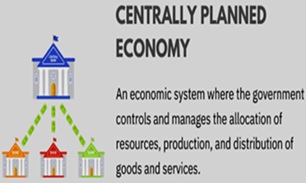 directed by regulation, shaped by corporate interests, and leaving both consumers and farmers dependent, unhealthy, and without real alternatives.
Each year, more than $40 billion of taxpayer money is used to subsidize commodity crops such as corn, soy, wheat, and cotton. Crop insurance, also paid for largely by the public, is essentially another subsidy, and without it, most large commodity farms wouldn’t survive. But the subsidies don’t stop at growing. Once harvested, those subsidized crops become corn syrup, seed oils, stabilizers, livestock feed, artificial ingredients, ultraprocessed food additives, and ethanol: fuel grown on prime farmland and heavily subsidized again under the banner of environmental benefit.
- Hits: 199

 In October 2024, the Council of Europe’s Democratic Institutions and Civil Society Division launched a grant to support civil society organisations with a clear purpose - fostering a democratic culture, increasing public engagement in decision making, and strengthening the links between civil society and the Council of Europe - the grant also sought to raise awareness of the Council’s standards on strengthening democracy, especially the Reykjavik Principles for Democracy, and highlight the value of collaboration and identify new opportunities in this area.

 según fiscales federales podrían ascender a ¡más de $9,000 millones de dólares! Estos fraudes son, además, un delito grave: los hechos revelados por una auditoría de la Oficina del Auditor Legislativo (OLA), publicada en enero de 2026, concluyó que empleados del Departamento de Servicios Humanos (DHS) fabricaron o antedataron documentos ¡durante años! para evadir el escrutinio y ocultar la ilegal gestión de fondos.
 En medio de la grave confusión que abraza al mundo en estos momentos. Una confusión en la cual ya nada es cierto, pues, todo es relativo, una perdida del cuadrante en el que la gente enfrenta algo similar a la filosofía hermética donde se afirma, como es adentro es afuera, como es oscuro es lleno de luz, como es arriba es abajo, y nadie encuentra respuestas llevando al mundo a una frustración global. Hace unos días sucedió algo que, por primera vez en mucho tiempo, ha proyectado luz para llenar esos negros espacios de nuestra moderna Torre de Babel.
  El estudio ofrece una radiografía detallada de una transformación profunda en la estructura social española y subraya que la inmigración no es un fenómeno marginal, sino un factor estructural clave del presente y del futuro del país. En términos absolutos, la población de origen inmigrado —que incluye tanto a las personas nacidas en el extranjero como a la población extranjera nacida en España— asciende ya a 9.963.353 personas, lo que representa el 20,28 % de la población total.