El candidato presidencial mexicano Andrés Manuel López Obrador quiere tanto a los pobres que está decidido a multiplicarlos
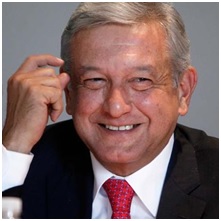
México se daría un tiro en el paladar si Andrés Manuel López Obrador, el candidato presidencial que lamentablemente encabeza las encuestas, llegara a encabezar al poder y, peor aún, si además Morena, su partido, lograra contar con mayoría en el Congreso de la Unión. ¿Razones? López Obrador intentaría gobernar con recetas extraídas del bote de la basura de la historia de las doctrinas económicas que han demostrado hasta la saciedad su caducidad e ineficiencia.
Ha insistido con infinita torpeza en la burocratización de la energía, en revertir las llamadas reformas estructurales que le reportarían al país aproximadamente 200.000 millones de dólares de inversión extranjera. Pemex, la empresa petrolera de México, que contó hasta hace un par de años con el indiscutible monopolio del oro negro, se encuentra quebrada de punta a punta como consecuencia de la ineficiencia burocrática y de la corrupción, ya que la primera empresa de México fue entendida por los políticos como un botín personal o como la caja chica de los presidentes de turno.
El Gobierno mexicano se ha caracterizado a lo largo de su historia por ser un pésimo empresario, tan malo que en la actualidad Pemex se ve obligada a importar el 70% de las gasolinas y del gas que consume la nación. ¿Cuál es la propuesta suicida de López Obrador? Volver a recorrer los mismos caminos que conducen a la consabida ruina.
- Hits: 5950
 Estamos frente a una emergencia nacional y necesitamos desesperadamente quien nos venga arreglar este camión destartalado, sin dirección y sin frenos, que desde hace rato viene rodando pen-diente abajo hacia el fondo del cañón. De poco le servirá a Colombia hoy el charlatán promesero, el mecánico chambón o el cazador de fortunas. La emergencia requiere profesionales especializados que, además, den garantía de absoluta honradez.
 disfrutar grandes fortunas, buscando el encumbramiento personal a costa de todo un pueblo. Se vislumbra también una nueva ofensiva contra los pequeños empresarios privados y una advertencia a la burocracia intermedia para que limite su podredumbre, junto a la intención de culparlos por la escasez de productos alimenticios y por los bajos resultados en la gestión de la producción.