- Autoridades ha detenido a unos cien sospechosos de participar en los disturbios; las familias de la zona han huido, después de recibir aviso por la policía de un posible ataque
- Manifestantes arrojan ladrillos a hogares de familias cristianas durante la agresión en un vecindario cristiano (Foto)
- Una pareja cristiana del vecindario dijo que el viernes se habían ido a la casa de unos vecinos musulmanes que les dieron refugio la noche después que la multitud vino a buscar al cristiano acusado de blasfemia
- Las acusaciones de blasfemia en Pakistán pueden propiciar que multitudes se hagan justicia por su propia mano

Islamabad, Mar. 10 (EFE): Una turba quemó un centenar de casas de cristianos en unos disturbios originados por un supuesto caso de blasfemia contra Mahoma en la ciudad de Lahore, en el noreste de Pakistán, informó hoy a Efe una fuente policial.
Los altercados comenzaron el viernes al mediodía y se agravaron ayer con la quema de las casas de cristianos en la zona de Badami Bagh, según la Policía, y hasta 175 de acuerdo con medios locales.
- Hits: 8526
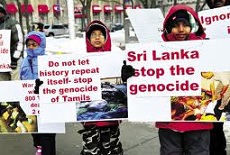 Washington, Feb. 20.─ Deeply concerned about allegations of violations of international humanitarian law and human rights in Sri Lanka, the US on Tuesday said that it plans to introduce its own resolution on the issue at the Human Rights Council meeting in Geneva.