- A definitive commitment from Iran not to build nuclear weapons and to cease uranium enrichment beyond the 40% limit is the US minimum condition for entering into negotiations with Iran.
- The US-Israeli combined air campaign against Iran to this point has degraded the Iranian ability to project force and thus satisfied a key military objective.

Some US 5th Fleet warships entered the Persian Gulf last week
Riyadh, Apr.27 (DPnet).– On Sunday, April 26, Iranian Foreign Minister Abbas Araghchi made a significant diplomatic move by traveling to Muscat, Oman, to engage in crucial discussions about security in the Strait of Hormuz with Omani Sultan Haitham al Tariq. This visit was followed by his trip to Islamabad, Pakistan, where he addressed Iran's essential preconditions for negotiations with the United States with local mediators. These preconditions prominently include the urgent lifting of the US blockade on Iranian ports.
Notably, IRGC-affiliated media revealed that during these discussions, Araghchi emphasized the need for a "new legal regime" governing the Strait of Hormuz, sought compensation for war damages, and requested assurances against future US attacks. Alarmingly, there was no mention of Iran’s nuclear program, a pivotal concern for US policymakers.
Adding to the tension, US President Donald Trump revealed that Iran offered a "much better" proposal just ten minutes after he canceled the planned trip of US Special Envoy Steve Witkoff and Jared Kushner to Islamabad for talks with Iran on April 25. Trump noted that this new proposal, which involves Iran's commitment to renounce nuclear weapons, still falls short of what is needed to advance negotiations. This situation underscores the urgency for a constructive dialogue that addresses both security and nuclear capabilities in the region.
The United States has continued to enforce its blockade on Iranian ports. US Central Command (CENTCOM) intercepts all US-sanctioned, Iranian-flagged tankers attempting to transit to or from an Iranian port.
The effectiveness of the US-Israeli combined air campaign against Iran must be judged by its success in achieving political goals, the essential aim of any military action. Up to this point, the campaign has significantly weakened Iran's ability to project military power, fulfilling a crucial military objective. By decisively eliminating a substantial portion of Iran’s missile, drone, and naval capabilities, along with the industrial facilities that support their production, the United States and Israel have strengthened regional security and demonstrated a commitment to addressing potential threats.
US Air Warfare doctrine focuses on attacking the entire enemy system with special emphasis on centers of gravity, which it defines as the “sources of power [providing] moral or physical strength, freedom of action, or will to act,” in order to paralyze the enemy, make it unable to execute its concept of operations, and ultimately impose the desired political outcome.
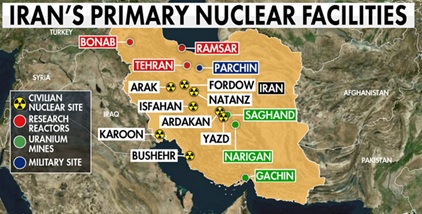
Iran has offered to end its chokehold on the Strait of Hormuz in exchange for the U.S. lifting its blockade on the country and an end to the war, two regional officials said Monday. Under the proposal, discussions on the larger question of Iran's nuclear program would come later. President Donald Trump has said that he will not enter into talks that do not include a definitive commitment from Iran not to build nuclear weapons and stop the process of uranium enrichment above the 40% limit.