La política de la anti-política, esa parece ser la noción que algunos candidatos han levantado como bandera de lucha en esta elección presidencial. ¿Resistirá Chile el  embate populista?, ¿Serán las instituciones lo suficientemente sólidas para soportar una ofensiva en esta línea?, ¿Podrán los electores discriminar entre propuestas claramente irrealizables y demagógicas? Estas son dudas que no pocos en este último tiempo se han formulado sobre el futuro de nuestro país.
Esta idea de estar por sobre los partidos, permite el surgimiento de personas que se sitúan al margen de la política. Serían actores que no provienen del campo político, pero entran a su arena para competir un espacio, mediante un discurso que precisamente va en contra del mismo sistema en el cual desean participar y eventualmente dirigir.
Esta es una versión más sofisticada del viejo caudillo populista, ya que se nutre precisamente de la modernización lograda por los países en los cuales surge, tiene su apoyo electoral en los sectores pobres, pero se suman a ellos la denominada élite emergente, aquellos grupos que han logrado movilidad social ascendente, los que precisamente se han beneficiado del desarrollo alcanzado sintiéndose aún excluidos de la mayor parte del producto precisamente de esta expansión económica.
- Hits: 6340
 Cuba during the 16 years it lasted (1975-1991).[1] The official explanation for the Cuban intervention was that self-proclaimed Angolan president Agosthino Neto, a historical communist and ally of the USSR, had requested military aid from Cuba. The truth was otherwise. A former senior intelligence official of Cuba confirms that the Soviet Union (USSR) - which supported Cuba with billions of dollars a year- asked Fidel Castro to send the Cuban military force, promising to pay for all the war material. Portugal has initiated a process for the independence of its colonies in Africa and, the USSR was seeking to bring Angola into the Soviet orbit by consolidating Neto in power, but it was not convenient for the USSR to appear as the invading force supportive of Neto.[2] In the cold war scenario, the USSR supported Neto’s MPLA (Popular Movement for the Liberation of Angola) and the SWAPO (South African People's Organization), that was fighting for Namibia's independence, while the United States, together with
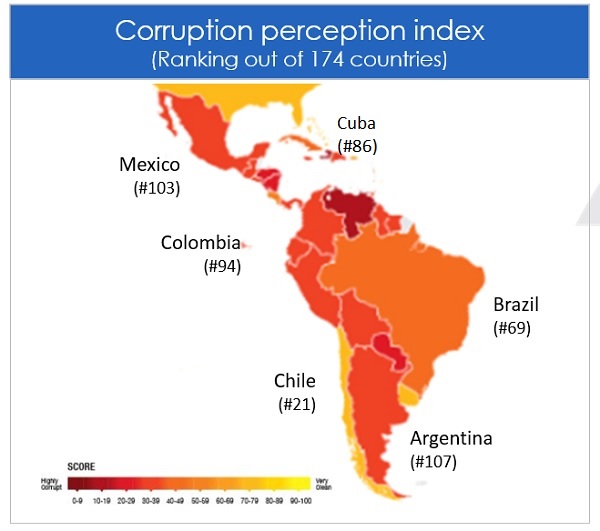 governments, high level leaders and political parties which were implicated in a bribery scheme making the Uruguayan situation sound meaningless. Indeed, the impeachment of Brazilian former president, Dilma Rousseff, and the incarceration of the former speaker of the Brazilian House of Representatives are major acts of corruption where millions of dollars in bribes involved the highest levels of government in various countries.
 A Stalin no le importaba si se asesinaba a personas inocentes y defendía que estas debían ser sacrificadas para garantizar que los enemigos reales fueran eliminados: “Cada comunista es un posible enemigo oculto. Y puesto que no es fácil reconocer al enemigo, el objetivo se logra incluso cuando solo el 5 por ciento de los ejecutados fueran enemigos reales”.