
The Hague, Nov. 19 (DPnet).– This morning, the International Court of Justice (ICJ) made a groundbreaking ruling, determining that Myanmar committed genocide against its Rohingya minority. This momentous 9-6 decision represents a historic first in the ICJ's 80-year history, as it marks the court's accountability of an entire state for genocide under the 1948 Genocide Convention.
In a nearly three-hour verdict delivered in The Hague, ICJ President Yuji Iwasawa articulated that Myanmar's security forces acted with the clear intent to eradicate a significant portion of the predominantly Muslim Rohingya population in northern Rakhine State. 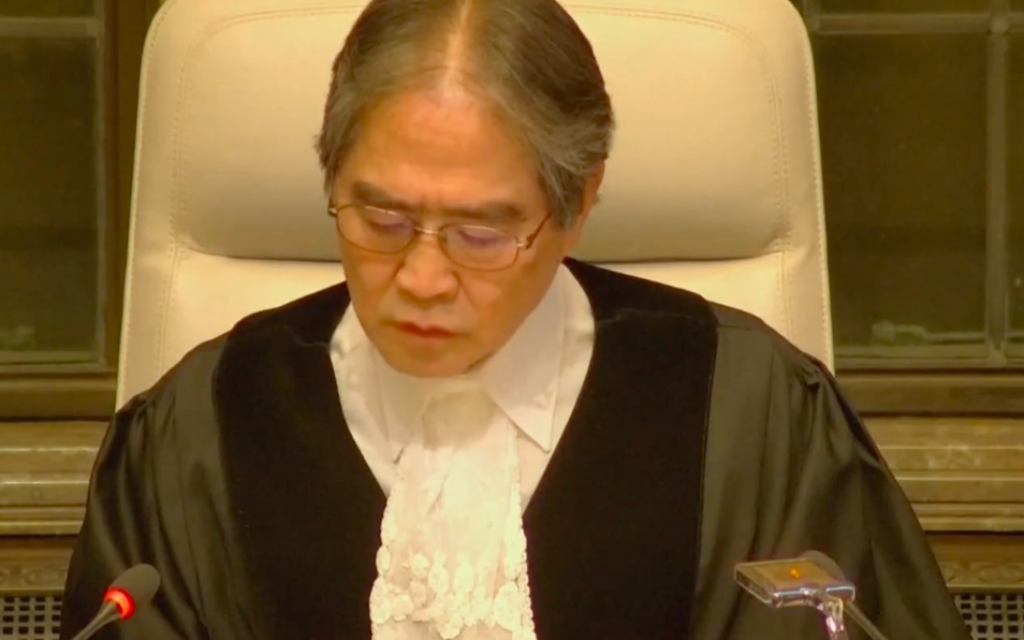
The court's findings revealed that during its "clearance operations" in 2017, Myanmar’s military was responsible for the deaths of an estimated 10,000 Rohingya civilians, perpetrated widespread sexual violence, and inflicted horrifying acts of violence against children. Judges emphasized the systematic destruction of around 400 villages and the brutal attacks on civilians attempting to escape into Bangladesh, underscoring the urgent need for global attention and action on this humanitarian crisis.
Myanmar had claimed that its military campaign was a legitimate response to terrorism, initiated by attacks from Rohingya militants. However, the International Court of Justice (ICJ) rejected this defense. It found that security forces did not adequately differentiate between insurgents and civilians, concluding that the intent to commit genocide can coexist with military objectives.
Additional Violations & Required Reparations
Alongside committing genocide, the court found that Myanmar failed to prevent and punish genocide, and failed to enact domestic legislation to comply with the Genocide Convention. However, judges ruled that Myanmar did not publicly incite genocide.
The UN News report and court readout indicate that Myanmar has been ordered to investigate and prosecute those responsible, provide compensation to victims, and guarantee safe passage home for displaced refugees. More than 700,000 Rohingya fled Myanmar in 2017, and roughly 1.2 million remain in refugee camps in Bangladesh.
While ICJ rulings are final and legally binding, the court has no direct mechanism to enforce them. Compliance relies on diplomatic pressure from other nations and potential action by the UN Security Council.