Sues CIA for Inspector General's report on Mena, Arkansas, allegations
A new Judicial Watch report exposes suspicious and covert activities around a small Arkansas airport since Bill Clinton was governor of that state.
Judicial Watch pledges further investigation until it reaches the root of what has been hidden for so long
Guns, Drugs, the CIA at Mena, Arkansas, and no answers! 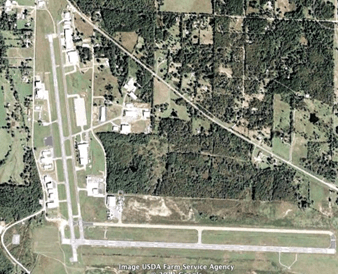
July 27 (Judicial Watch).– The mysterious events surrounding Mena Airfield in remote western Arkansas during the gubernatorial reign of Bill Clinton have teased the popular imagination for more than three decades. Movies have been made, books have been published, hundreds of articles have been written. Many of the more baroque allegations emerge from the fever swamps of conspiracy theorists, but certain facts are indisputable. CIA and DEA activities flowed out of Mena in the Clinton years. Cocaine—a lot of it—flowed in. And for thirty years, every attempt to get to the bottom of events at Mena—federal, state, judicial, journalistic—has failed.
Judicial Watch has launched a new campaign for answers. The CIA “stonewalled the release of information now sought by Judicial Watch on the Mena Airport controversy,” said Judicial Watch President Tom Fitton. So last month, we filed a lawsuit seeking a long-hidden report by the CIA inspector general into events at Mena. The Judicial Watch lawsuit seeks the report of a November 1996 CIA investigation into “drug running, money laundering and intelligence gathering” at Mena. We’re taking other steps, too—Freedom of Information actions against the DEA, FBI, and Arkansas state institutions.
- Hits: 7413
 negativas en el ámbito de la comunicación. “Es arriesgado proponer generalizaciones que abarquen muchas naciones cuyos sistemas de medios de comunicación, historias y culturas políticas no podemos conocer con la misma profundidad, por esta razón hemos planteado este proyecto como una colaboración entre un norteamericano y un europeo” (Hallin y Mancini, 2007: 5). Los propios autores plantean esa limitación pero, al no analizar a América latina, Cuba, por supuesto, escapa de la clasificación.
 over the years metastasized to become the largest global Islamic organization in the world with branches in dozens of countries," Horowitz explains.