Democracia Participativa
Participatory Democracy
  • Noticias
    News
    • Headlines
    • Titulares
    • Cuba / Cuban Affairs
    • Venezuela / Venezuelan Affairs
    • Navegando / Browsing
  • Derechos
    H. Rights
    • Derechos Humanos / Human Rights
    • Perspectivas / Perspectives
    • Denuncias / Reports
    • Organizaciones / Campaigns
  • Economía
    Society
    • Toma nota.../Take note...
    • Economic Perspective: Doug Casey
    • Perspectiva económica: Martínez-Solanas
    • Columnistas invitados/Guest columnists
    • Mundo Sindical / A Worker's World
  • Documentos
    Data & Referenda
    • DOCUMENTOS / DOCUMENTS
    • Documentos en Español
      • Instrumentos Internacionales y Declaraciones
      • Documentos sobre Derechos Humanos
      • Cuba: Iniciativas Democráticas
      • Documentos sobre Economía
      • Doctrina Social Cristiana
      • Otros documentos y perspectivas
      • Fundamentos / Basics
    • Documents in English
      • International Instruments & Declarations
      • Human Rights Documents
      • Documents on Economy
      • Other Documents
      • Christian Social Thought
    • Libros / Outstanding Books
    • Nosotros / About us
      Enlaces / Links
  • Elecciones
    Referenda
    • Elecciones / World Elections
    • Referendos / Plebiscites' articles
  • Foro
    Debate
    • Categorías / Forum categories
    • Mensajes / Recent Topics
    • Buscar / Search in Forum
Democracia Participativa
Participatory Democracy
  1. Home
  2. Documentos

Libros / Outstanding Books

La Libre Empresa

Written by Francisco Pérez de Antón on 20 May 2019. Posted in Libros recomendados / Outstanding Books.

222 páginas
Univ. Francisco Marroquín, 3ª Ed. (2004)
Distribuido por Acton Institute.
Disponible en Amazon.
Disponible también en:
Participatory Democracy Cultural Initiative
2150 SW 123rd Ave
Miami, FL 33175-1199
Mediante un donativo de US$10 o más
   (deducible de la declaración de impuestos al IRS).

Este es un libro con suerte. Nació con el propósito de ser sólo un texto coyuntural y sucinto, de esos que, como diría Jardiel Poncela, se leen mientras sube el ascensor, y ha sobrevivido veinticinco años. El autor lo escribió, según sus propias palabras «con el propósito de difundir el ideario liberal en un país que, como Guatemala, estaba sometido a dos fuerzas enfrentadas y opresivas: el marxismo y el militarismo. Ningún espacio se permitía entre ambas, menos a quienes amábamos la libertad y la paz.»

No todos los libros que hoy se publican sobreviven tanto tiempo. Tampoco las ideas que en ellos se vierten. Muchas envejecen, otras se esfuman o pasan de moda. La fortuna de este texto reside en que sus conceptos se han vuelto con los años moneda corriente. Por eso, dice el autor, «al verle hoy en esta nueva edición, tan moderno y bien vestido, no puedo por menos de saludarlo con el gozo del padre que, veinticinco años más tarde, ve a su hijo convertido en un adulto.»

Esta obra enfoca desde sus primeros capítulos la perspectiva fundamental de establecer que «... un sistema económico eficaz no es un sistema que funciona acertadamente en un 100%; es un sistema que (...) considerado en su conjunto y durante un período prolongado arroja un balance positivo, con más éxitos que fracasos y menos inconvenientes que ventajas.» Por tanto, se apoya en la opinión de Jean-François Revel, quien sostiene que si el saldo a favor de la libre empresa fuera de un 51%, el problema que se plantearía sería sencillamente el de cómo mejorarlo.

  • Hits: 10482
Write comment (0 Comments)

El azaroso arte del engaño: Historias del mundo de la casualidad y la estadística

Written by Gerardo Herrera Corral on 16 April 2019. Posted in Libros recomendados / Outstanding Books.

218 pages
Publisher: Taurus (March 23, 2018)
ISBN-13: 9786073162203
Available in Barnes&Noble

El azar, el error y el engaño están presentes en todos los ámbitos de nuestras vidas: el trabajo, las relaciones personales, la política, la economía.

¿Pero dónde está la frontera entre azar y error? ¿Cuál es la diferencia entre error y engaño? Y más aún: ¿Se puede engañar sin mentir abiertamente? ¿Sin dar información falsa? El renombrado físico mexicano Gerardo Herrera Corral sabe que sí. Los errores pueden ser una fuente inmejorable de aprendizaje , si sabemos detectarlos. Por otro lado, se puede engañar sin mentir abiertamente, es decir, sin dar información falsa. Esto ocurre con frecuencia, por ejemplo, en la estadística, cuando se oculta información, se dan datos parciales o se ofrecen interpretaciones sesgadas. Por ello, nos dice Gerardo Herrera Corral, el conocimiento estadístico debería formar parte de la educación básica de toda persona.

Sí, la estadística puede utilizarse para analizar la realidad, para explicar y comunicar mejor datos complejos, pero también puede emplearse para deformar los hechos, manipular y engañar al público. Y en esta época, con gran cantidad de afirmaciones que pretenden mostrarse como verídicas, tabla o gráfico en mano, el engaño (intencional o no) está a la orden del día. De ahí, explica Herrera, surge la imperiosa necesidad que los lectores aprendamos a vislumbrar la información estadística real de la engañosa. El autor nos ayudará a definir conmayor claridad las barreras entre verdad y mentira, azar y error. 

  • Hits: 10939
Write comment (0 Comments)

Citizenship and Contemporaty Direct Democracy

Written by David Altman on 10 April 2019. Posted in Libros recomendados / Outstanding Books.

272 pages
ISBN-13: 978-1108496636
Publisher: Cambridge University Press, 2018)
Available in Amazon

Standing out from all other books on direct democracy, Citizenship and Contemporary Direct Democracy connects the study of direct democracy to the broader field of comparative democratization and to an important strand in normative democratic theory. Analyzing the relationship between direct democracy and representative government, this book is organized around three main sections: the origins of contemporary direct democracy, its functioning, and the ways to improve the use of direct democracy and its abuse. David Altman argues that citizen-initiated mechanisms of direct democracy constitute an important and viable way to re-invigorate current representative regimes by strengthening democracies' normative foundations - freedom and equity among citizens - which are particularly fragile in the context of unequal societies. Citizenship and Contemporary Direct Democracy demonstrates how citizen-initiated mechanisms of direct democracy empowers citizens, channels social demands, defuses violence, re-enchants citizens with politics, and breaks through some of the institutionalized barriers to accountability that arise in representative systems.

Editorial Reviews:

'Citizenship and Contemporary Direct Democracy offers a comprehensive and rigorous analysis of the origins and effects of popular initiatives, referenda, and other forms of direct democracy. Altman makes a compelling case, and shows that the impact of popular initiatives extends well beyond the often attention-grabbing election outcomes. Those of us who care about the fate of liberal democracy should pay close attention.' Steven Levitsky, Harvard University, Massachusetts

'Switzerland is where direct democracy got started, and California may be the global capital of direct democracy. But the foremost global scholar of direct democracy is a Uruguayan political scientist based in Chile. David Altman is not a name that many in California’s ballot measure industry know, but that should change. And his new book, Citizenship and Contemporary Direct Democracy, should be read by all of the people that Joel Fox calls “initiative warriors.” Altman’s book is academic, but it’s also very clear. And it’s short while being comprehensive—laying out what we know about direct democracy, and what we don’t know. But what is most important about Altman is the way he combines a big global picture of direct democracy, which is being used more and more around the world, with its particulars. To get direct democracy right, he shows, means to use it in context and in conjunction with representative democracy, so that democracy in its direct and representative forms is better.' Joe Mathews, Connecting California Columnist and Editor, Zócalo Public Square, Fellow at the Center for Social Cohesion at Arizona State University

'David Altman's new book on direct democracy blends theoretical insights with descriptive facility, presenting a thorough analysis of the remedial properties and potentials of direct democratic institutions within the institutional framework of representative democracy. I cannot think of another scholar as well qualified as David Altman to write a book of this kind, and I cannot recommend it highly enough.' Adrian Vatter, Chair of Swiss Politics, Institute of Political Science, University of Bern 

  • Hits: 10388
Write comment (0 Comments)

More Articles …

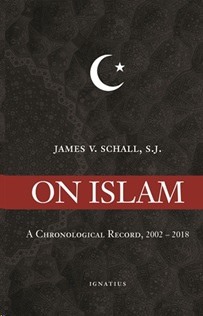
  1. On Islam
  2. La revolución cubana, ¿por qué?... Causas y Efectos
  3. Universal Human Rights in theory and in practice
  4. El Soberano es el Ciudadano
  5. Communism and Christian Faith
  6. 1984
  7. Contra las elecciones: Cómo salvar la democracia
  8. Geografía del populismo: Un viaje por el universo del populismo desde sus orígenes hasta Trump

Page 16 of 36

  • 11
  • 12
  • 13
  • 14
  • 15
  • 16
  • 17
  • 18
  • 19
  • 20
Bienaventurados los que tienen hambre y sed de justicia, porque ellos serán saciados.
Jesús de Nazaret

Buscar / Search

Identificarse / Login

Identificarse / Login

  • Forgot your password?
  • Forgot your username?

Cuba: Iniciativas Democráticas

  • POR UN NUEVO COMIENZO. Documento completo.
  • CUBA, ¿Ideología o Filosofía?
  • Visiones para una Transición – Propuestas
  • Reforma Constitucional y Libertad Religiosa en Cuba
  • La transición en Cuba: Memoria Histórica, Justicia Transicional y Reconciliación Nacional. Visión y propuestas

Información Básica / Basic Information

  • European Citizen's Initiative
  • European Parliament - Political Groupings & Composition
  • ¿Qué es el Consejo de Europa? / What is the Council of Europe?

Hacer una donación
/ Donate now

  • Consulta popular en plebiscito

    [

  • Cuba: Libertad y Responsabilidad. Desafíos y Proyectos

    El autor de esta magna obra sobre la realidad cubana es Dagoberto Valdés Hernández, un Ingeniero Agrónomo de profesión, educador de vocación y dirigente católico de alma. Desde su Provincia de Pinar del Río, en Cuba, ha dirigido con firmeza y serenidad la Revista Vitral, con una notable capacidad...

  • Edificando la Democracia Participativa

    Edificando la Democracia Participativa Gerardo E. Martínez-Solanas Una de las razones fundamentales para promover la democracia participativa consiste en que tal sistema ofrece al ciudadano una capacidad de participar en decisiones orientadas a desarrollar una economía socialmente justa y...

  • Audiencia Nacional española desata crisis diplomática con China

    Dictó una orden de busca y captura contra cinco miembros de la nomenclatura china por delitos de lesa humanidad y genocidio contra el pueblo tibetano Exteriores alega que la división de poderes le impide influir en los jueces El expresidente Jiang Zemin y el exprimer ministro Li Peng (ambos en la...

  • Los malos usos de la Historia

    Una guerra dinástica, típica del Antiguo Régimen, no se puede explicar como un conflicto nacional entre España y Cataluña.Tampoco la unión de reinos bajo los Reyes Católicos fue el nacimiento de una nación Puede que alguien que no haya dedicado mucho tiempo a pensar sobre estas cosas crea que la...

Facebook
© 2003 - 2026 Participatory Democracy Cultural Initiative, Inc.
  • Noticias
    News
    • Headlines
    • Titulares
    • Cuba / Cuban Affairs
    • Venezuela / Venezuelan Affairs
    • Navegando / Browsing
  • Derechos
    H. Rights
    • Derechos Humanos / Human Rights
    • Perspectivas / Perspectives
    • Denuncias / Reports
    • Organizaciones / Campaigns
  • Economía
    Society
    • Toma nota.../Take note...
    • Economic Perspective: Doug Casey
    • Perspectiva económica: Martínez-Solanas
    • Columnistas invitados/Guest columnists
    • Mundo Sindical / A Worker's World
  • Documentos
    Data & Referenda
    • DOCUMENTOS / DOCUMENTS
    • Documentos en Español
      • Instrumentos Internacionales y Declaraciones
      • Documentos sobre Derechos Humanos
      • Cuba: Iniciativas Democráticas
      • Documentos sobre Economía
      • Doctrina Social Cristiana
      • Otros documentos y perspectivas
      • Fundamentos / Basics
    • Documents in English
      • International Instruments & Declarations
      • Human Rights Documents
      • Documents on Economy
      • Other Documents
      • Christian Social Thought
    • Libros / Outstanding Books
    • Nosotros / About us
      Enlaces / Links
  • Elecciones
    Referenda
    • Elecciones / World Elections
    • Referendos / Plebiscites' articles
  • Foro
    Debate
    • Categorías / Forum categories
    • Mensajes / Recent Topics
    • Buscar / Search in Forum