| Significant information efforts are being undertaken through the dissemination of the *Tibet Times*—which circulates in exile but penetrates the country sporadically—as well as *Tibet Watch*, to which some Tibetans within the country manage to gain access via electronic means. |
 Dharamshala, Apr. 28 (DPnet).– The Central Tibetan Administration (CTA) and its Central Election Commission (CEC) successfully held democratic, free and fair elections along the global Tibetan diaspora. This is a two-stage process, with primary elections celebrated in February to nominate candidates followd by general elections to decide on the 45 winners to the Tibetan Parliament in-Exile and the political head or President of the CTA, known as the Sikyong.
A total of 91,042 voters registered for the 2026 election cycle: 56,749 from the Indian subcontinent, and 34,293 from the rest of the world. The final round of voting took place on April 26 and results will be announced by the Tibetan Election Commission on May 13.
Regrettably, even though this vibrant Tibetan community—scattered across the globe—is able to organize free and fair elections, the situation in their homeland presents a stark contrast: under the Chinese boot, the native inhabitants of that ancient land face repeated violations of their human rights.
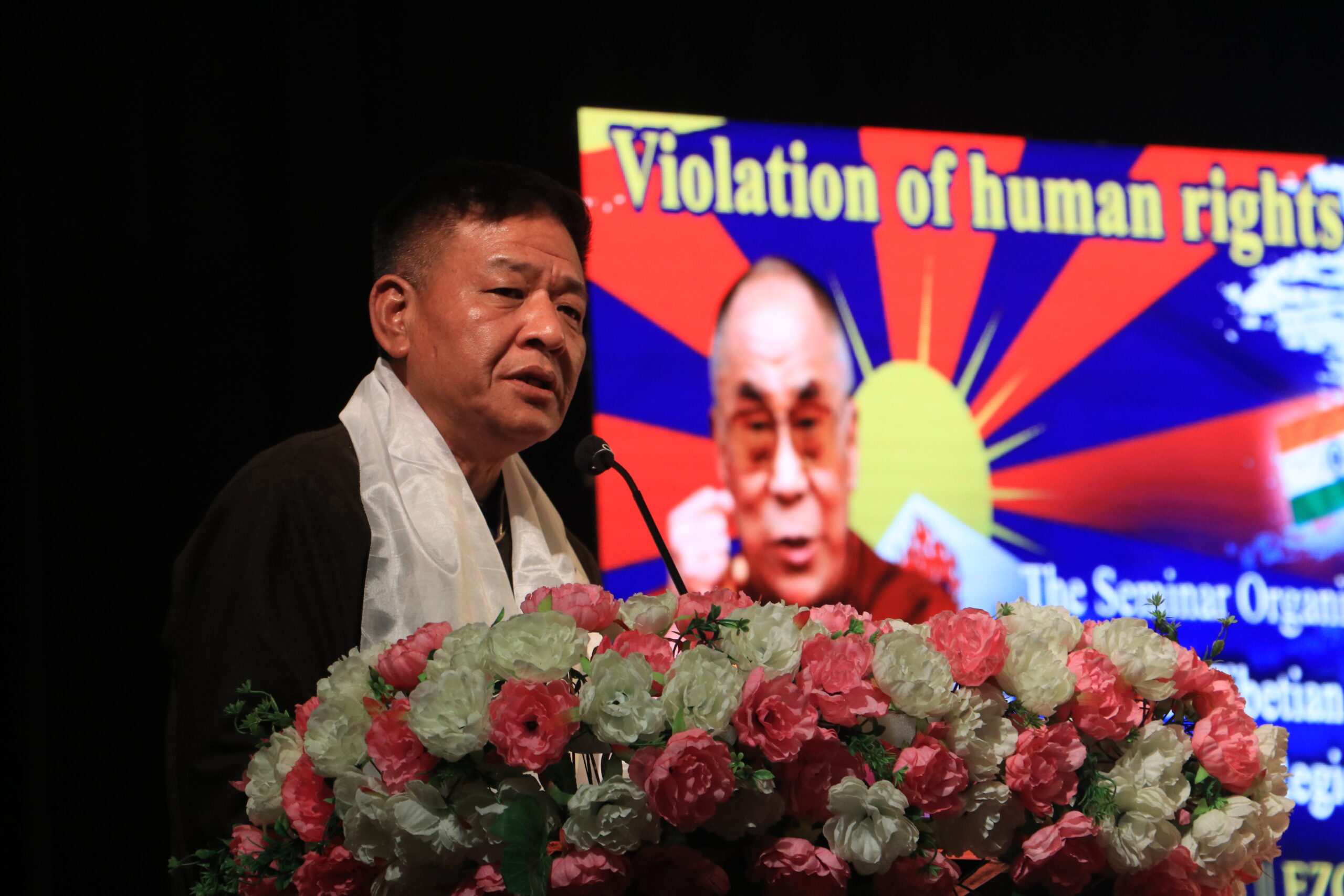
Eight UN experts have called on China to account for new legislation that escalates Xi Jinping’s campaign of forced assimilation in Tibet and extends its reach beyond PRC borders. In a rare joint statement, the UN Rapporteurs state that China’s new ‘Ethnic Unity’ law risks inciting transnational repression, intensifies risks to parents and educators, and contravenes existing Chinese laws and international commitments. These experts point out in their statement published on 16 April, the new ‘Ethnic Unity’ law states that organisations and individuals even outside mainland China can be pursued for “legal responsibility in accordance with law.”
The breadth of the new legislation marks it as a deliberate instrument for hollowing out Tibetan Buddhist culture and identity — a reflection of the strategic weight the Chinese Communist Party attaches to Tibet, and of Xi Jinping’s determination to remove religion and cultural distinctiveness as barriers to state consolidation. Its extraterritorial reach sharpens the threat still further, exposing Tibetans and others beyond China’s borders to heightened dangers.
China’s new ‘Law on Promoting Ethnic Unity and Progress’, introduced on 12 March, formalises tightening ideological controls amid an intensifying and coordinated campaign to erase Tibetan identity. In recent months there has been an increasingly coordinated campaign of surveillance and suppression targeting Tibetan Buddhist institutions and leaders in Tibet. Monasteries have been raided and images of the Dalai Lama confiscated, while senior monks have disappeared or died after torture.
Comments powered by CComment