Most investors are watching oil. But ... They should also be watching the bond market.
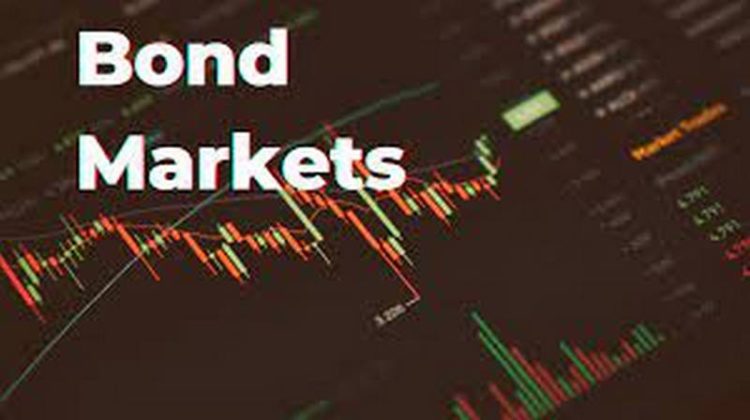 Since the war began, the 10-year Treasury yield has climbed from 3.97% to around 4.60%. That’s a serious warning sign.
The 10-year Treasury yield is one of the most important financial benchmarks in the world. When it rises, borrowing costs rise across the economy—and the U.S. government’s already massive interest bill climbs even higher.
At today’s debt levels, a 63 basis point rise could translate into nearly $250 billion in additional yearly interest costs.
Now add a major oil shock...
If the Strait of Hormuz remains disrupted, energy prices could surge. Inflation could accelerate. And investors could demand even higher yields to hold U.S. debt.
That is how an energy shock becomes a bond shock. 
And how a bond shock could become a dollar crisis.
The Fed may eventually be forced to intervene and suppress yields. But that "solution" would likely mean more money printing, more currency debasement, and more pressure on savers.
This is why the situation unfolding now could be far bigger than another foreign policy disaster.
It could expose the fragility of the entire dollar-based financial system.
That’s also why we have just released an urgent new report:
The #1 Investment to Profit From the Coming Energy Shock
Inside, you’ll discover a specific opportunity designed for exactly this kind of environment—one that could potentially benefit from higher commodity prices and production growth, without directly bearing the heavy costs and risks of drilling wells itself.
Most investors will wait until the panic is obvious.
By then, the biggest opportunities may already be gone.
|
** Doug Casey is a best-selling author, world-renowned speculator, and libertarian philosopher who advocates free trade. He is a provider of subscription financial analysis about markets. His International Man blog is accessible here → https://internationalman.com/. He and his team released this video on his proven strategy—including the best way to get a second passport, offshore bank account, and much more. |